

New job profiles are emerging in many industries, reflecting social and economic change: digitalization, the energy transition, social responsibility—all of these require new skills. One such profile is that of a sustainability manager. While this position has long existed in large corporations, its role is still interpreted differently in tourism. But what exactly does this job profile entail?
What exactly does a sustainability manager do?
Examining the core tasks reveals that their role extends well beyond managing environmental measures. From collecting and managing energy and water consumption to developing waste and procurement strategies, providing employee training, working on certification projects, and creating external reports, their daily work encompasses a wide range of tasks. Experts like Henner Zaborowski describe the role as „developing strategies and processes that make a business ecologically, economically, and socially sustainable.” The position increasingly acts as an interface between management, operational departments, and external stakeholders, such as auditors, guests, and investors.
When responsibility becomes formal — the opportunities and limitations of the position
The introduction of formal responsibility for environmental protection can be viewed from two perspectives. On one hand, a sustainability manager can professionalize processes, consolidate responsibility, and accelerate projects that would otherwise easily deteriorate into isolated actions. A reliable contact person ensures clear communication, especially when it comes to CO₂ accounting, certifications, and group-wide standards.
On the other hand, this contrasts with the experience of many family-run businesses, where sustainability is a top priority. Small businesses often lack the resources for an additional position, and in teams that already collaborate in a forward-thinking manner, a single „exotic title” can undermine collective responsibility. A person who is officially responsible can reduce the initiative and commitment of others.

The implementation of sustainability in hotels and the individuals responsible for it varies greatly from one establishment to the next. Some hotels rely on dedicated positions, while others integrate responsibility into the entire workforce. Still others combine technical measures with cultural traditions. Examining different models reveals how strategic concepts and practical implementation intertwine.
Formal roles: Sustainability coordinators
Some companies have a dedicated specialist responsible for environmental, resource, and social management.

The Canvas & Orchids Retreat, located on the Tatai River in Cambodia, firmly anchors its corporate philosophy in ecologically responsible travel and cooperation with the local population. Anna Pawlik-Szocs, the Sustainability Coordinator, oversees this. She monitors energy and water consumption, initiates waste prevention and recycling programs, oversees procurement according to ecological criteria, promotes cooperation with local suppliers, and ensures that employees and guests participate in eco-friendly practices. Under her leadership, the resort commissioned a large-scale photovoltaic system in 2024, banned single-use plastics from daily operations, and significantly improved the waste separation system.

Since 2018, the SCHWARZWALD PANORAMA in Bad Herrenalb has been addressing its environmental responsibility through a CSR department. Darlene Schwabroch has held this position since January 2024. Under her leadership, the hotel has implemented comprehensive measures, including paperless communication, plastic-free room furnishings, vegan brunches, regular employee training, sensitive waste management, and recycling concepts for renovations. The success of these efforts is reflected in the hotel’s GreenSign certification with a score of 93%. This makes the SCHWARZWALD PANORAMA one of the world’s most highly certified, sustainable hotels.

The ADLER Spa Resorts & Lodges group provides a third model. Through the group-wide ADLER for Planet initiative, central sustainability managers oversee the implementation of ecological and social guidelines in all resorts: from the construction of new buildings using ecological methods to the use of renewable energies, certified energy efficiency, resource-saving procurement, and waste prevention. Caroline Pescoll joined the team as Sustainability Manager in April 2025. She supports businesses in the EarthCheck certification process, promotes new responsible projects at the resort and group levels, and develops a shared vision aligned with the Sanoner family’s values.
Holistic team responsibility without a dedicated role
Other hotels view sustainability as a shared responsibility, not one delegated to a single person. Instead, they distribute responsibility across the entire team.
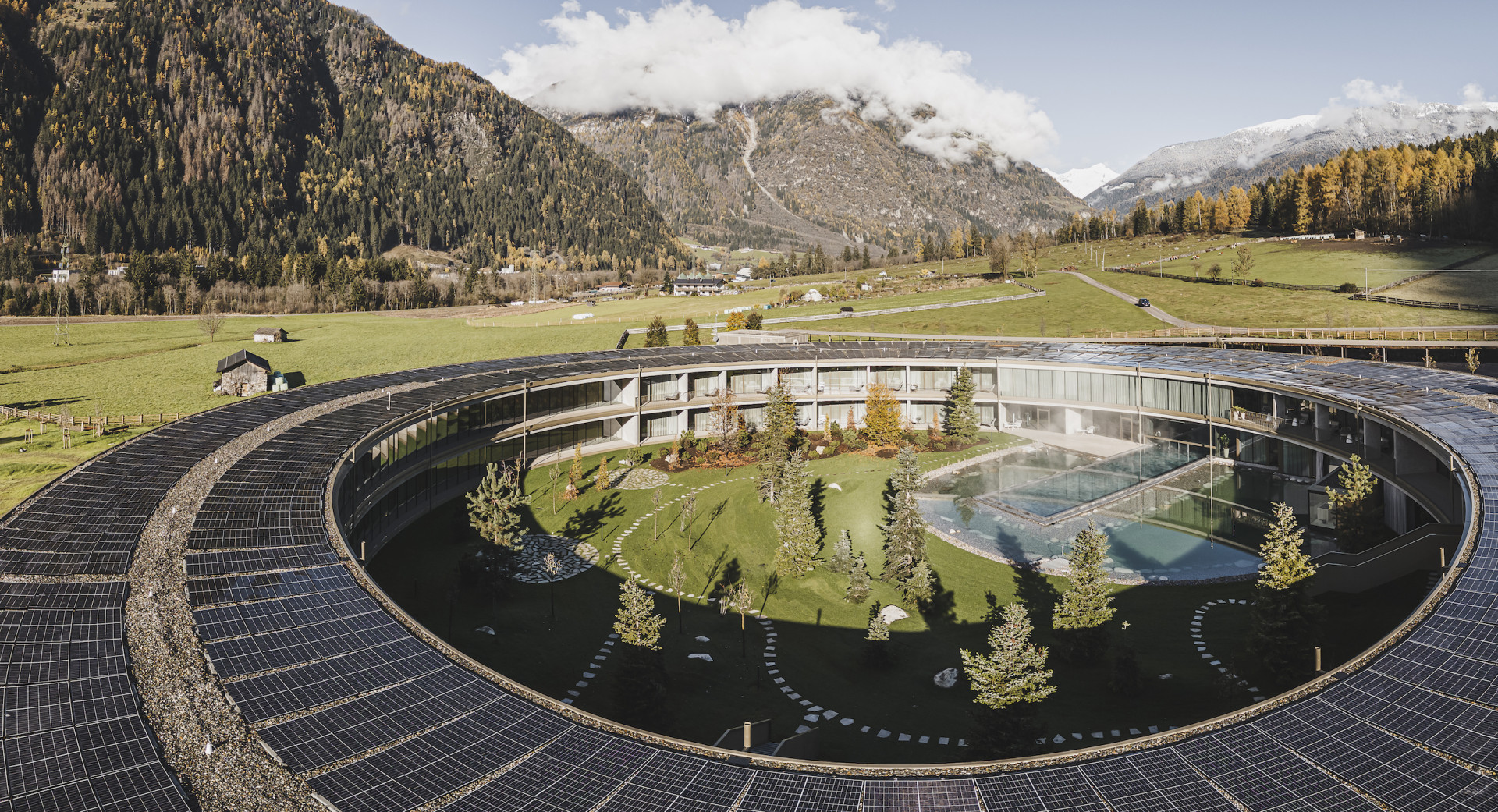
At OLM Nature Escape in South Tyrol, sustainability is an integral and conscious part of the corporate culture. All employees actively participate by contributing ideas and helping to develop and refine processes. Here, energy savings, resource-saving processes, and ecological initiatives are not the responsibility of one person, but rather the collective practice of the entire team.
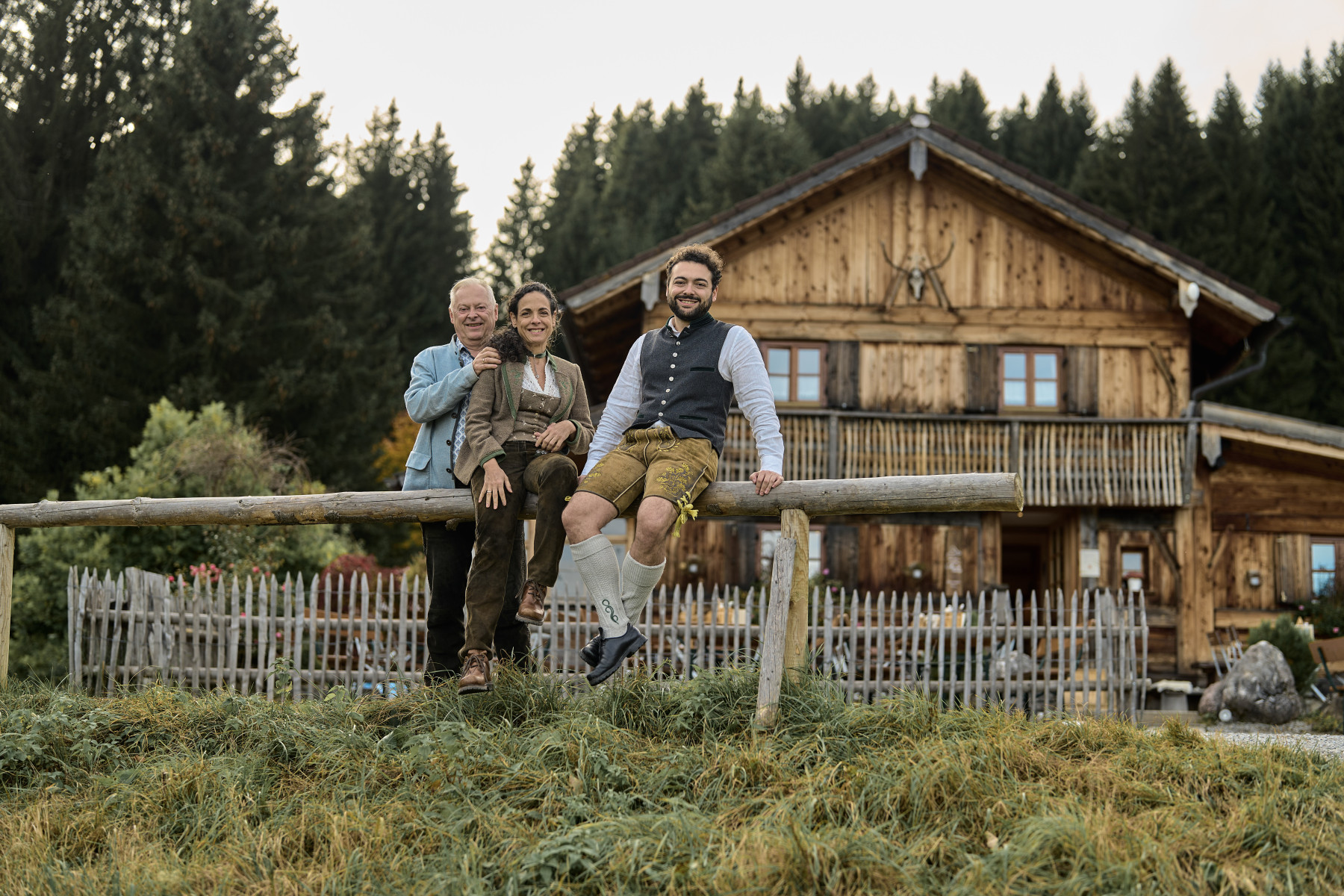
At the Hotel Weihrerhof in Ritten, the Pichler family, who runs the hotel, deliberately avoids using titles. Each team member plays a role in forward-looking initiatives related to energy use, cuisine, purchasing, and construction projects. Decisions are made collectively, always considering the environment, the region, and the people. A few years ago, for instance, they collectively decided to introduce dry steam cleaners in housekeeping. Klaus and Manuela Pichler aim to leverage their employees’ skills and talents, from ensuring guest satisfaction to selecting resource-saving technologies. Regular training courses, digital learning opportunities, and webinars ensure everyone is informed about current standards and developments. Local team members’ contributions are particularly valued because their knowledge of the landscape and culture enriches the guest experience and informs long-term decisions.
The Klosterhof – Alpine Hideaway & Spa in Bayerisch Gmain is another example of shared responsibility. This four-star superior wellness hotel has a holistic concept that considers ecological, economic, and social aspects equally. Environmental compatibility is an integral part of its daily operations, and employees, guests, and suppliers are actively involved, trained, and supported in environmentally conscious behavior. Ecological criteria also played a key role in the construction of the building. Due to this consistent approach, the Klosterhof became the first German hotel to receive the EU Ecolabel in 2022.
Sustainability as a top priority — implemented with teamwork
In many family-run hotels, sustainability is firmly embedded in the owners’ or managers’ responsibilities. Often, the families themselves are the visionaries behind the business, making decisions that combine ecological, social, and economic goals.
This principle is evident at Hotel Das Rübezahl in the Allgäu region. The Thurm family, the owners and managers, traditionally originates sustainable initiatives and ideas, regardless of whether they concern structural adjustments, the design of guest services, or operational processes. To support these efforts, the family enlists external experts who provide regular advice and new ideas. This allows the hotel to implement innovative ecological measures while making its operational processes efficient and practical.

Sustainability is also closely linked to the philosophy of eco-pioneer and chef Georg Schweisfurth at Gut Sonnenhausen near Munich. The hotel features organic cuisine, permaculture, and historic architecture. Energy savings, eco-friendly event hosting, and the use of regional foods are standard practices here. Notably, all employees are actively involved in implementation, and ideas, suggestions for improvement, and personal initiative are encouraged.
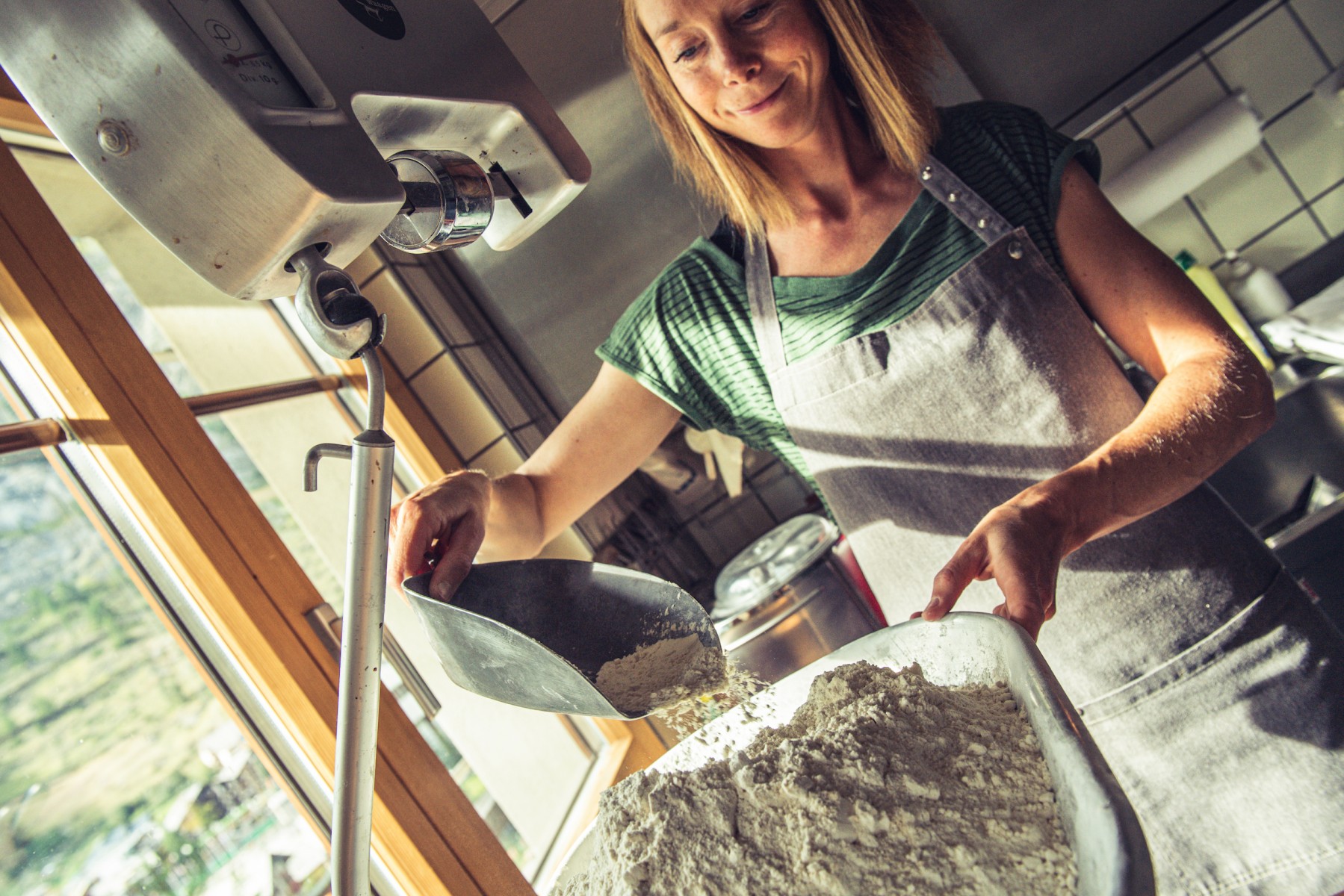
Fabienne Anthamatten has been managing the Hotel Bella Vista in Zermatt since 2017, making her the third generation of her family to do so. Every day, she puts her guiding principle of „actions speak louder than words” into practice, whether it’s using hydroelectric power, regional products, herbs and fruits from her own garden, or consistently avoiding plastic and unnecessary packaging. Since November 2025, the hotel manager has been responsible for the operational implementation of sustainable measures while Fabienne continues to set the strategic direction.
In all of the aforementioned companies, it is evident that the implementation of a forward-thinking business concept is not solely the responsibility of management. Rather, the entire team is involved, and this concept is embedded as a living practice throughout the company.
Innovative approaches and bottom-up models
At the Lifestylehotel SANDnature on the Baltic Sea, sustainability is integrated into every aspect of the hotel. Two employees, Karla and Niels, have undergone training to become SDG Scouts. Offered by the German Sustainability Award Foundation in cooperation with B.A.U.M. e.V. and the German Global Compact Network, the program aims to integrate the 17 Sustainable Development Goals (SDGs) into everyday work life.
Adopting a new perspective, the scouts examined existing processes and implemented measures that are ecologically and socially significant. For instance, they replaced conventional toilet paper with an eco-friendly alternative. They plan to establish a monthly „Sustainable Lifestyle” meeting circle in the medium term, where employees from all departments will collect, discuss, and present ideas to management. This demonstrates how bottom-up approaches motivate employees to take responsibility, initiate innovations, and implement sustainable changes in everyday hotel life. Similar measures are planned at the sister hotel, SANDglow, in Husum on the North Sea. The SAND owner family’s sustainable philosophy is already being incorporated into the team’s onboarding and training.
Whether it involves dedicated sustainability officers, team responsibility, or senior management, one thing is clear: hotels can only achieve sustainability if they practice it honestly and actively. The important thing is not where this responsibility comes from, whether from a single specialist or the entire team, but rather commitment, clear processes, and a culture that shares responsibility. Ultimately, the title is irrelevant; what matters is the impact on the environment, guests, and the future of the industry.