























OVERVIEW & QUICK FACTS
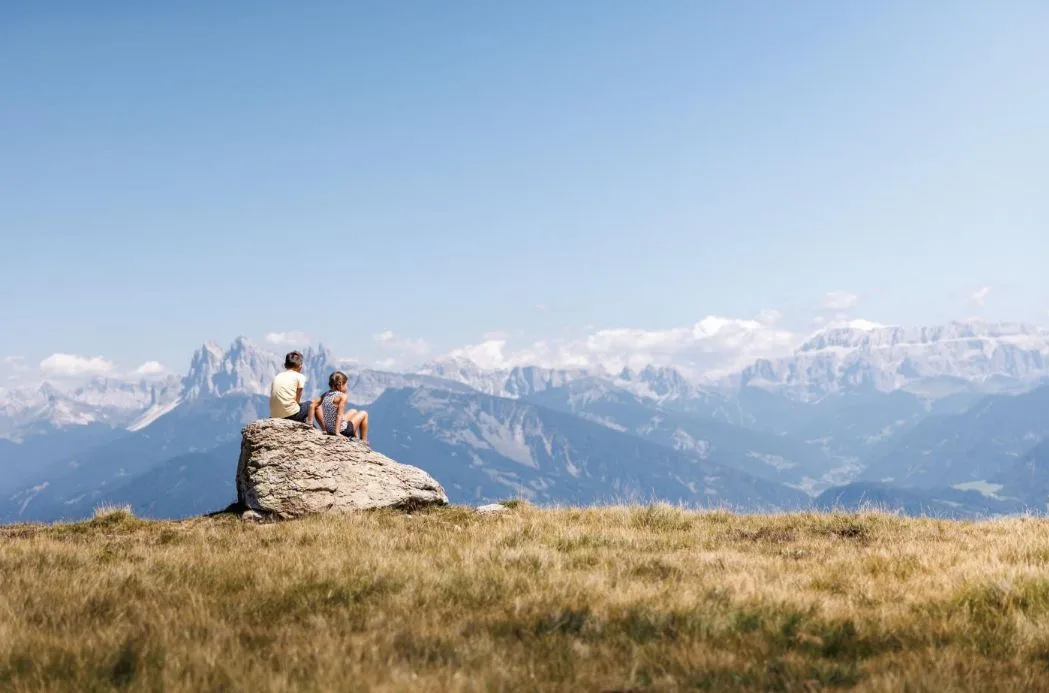
WHERE THE DOLOMITES BEGIN
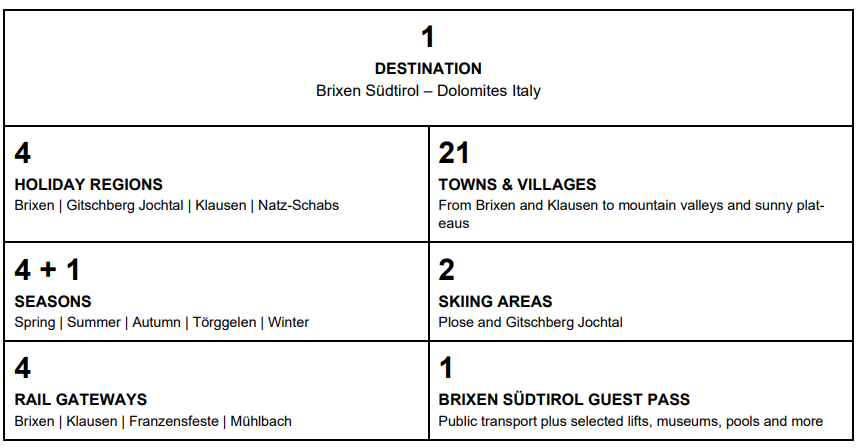
“Brixen Südtirol – Dolomites Italy” brings together the holiday regions of Brixen, Gitschberg Jochtal, Klausen and Natz-Schabs under one shared international destination brand.
The destination is defined by contrasts that sit naturally side by side: mountains and valleys, historic towns and quiet villages, tradition and contemporary culture, mountain landscapes and Italian joy of life. Theresult is a compact year-round region where different experiences are only a short journey apart.
The brand essence is “Echtzeit” – literally “real time”. It describes a way of experiencing the present moment in step with nature, the seasons and everyday life: active or quiet, cultural or culinary, in the mountains or in town.
FOUR REGIONS, ONE DESTINATION
Each holiday region has a distinct character. Together they create the range that defines “Brixen Südtirol – Dolomites Italy”.
BRIXEN
Town, culture and mountain. Brixen combines a historic old town with contemporary city life and direct access to the Plose. The cathedral and cloister, the Hofburg, cafés, shops and modern architecture sit within easy reach of hiking, biking and skiing. The holiday region also includes cultural landmarks such as Neustift Abbey and Franzensfeste Fortress.
GITSCHBERG JOCHTAL
Alpine space and relaxed outdoor days. Mountain villages, alpine pastures and wide views shape Gitschberg Jochtal. The area is made for hiking, biking, skiing and relaxed time outdoors, with a strong connection to rural life and local traditions. Cable cars provide easy access to the mountain during every season.
KLAUSEN
Artists’ town, history and wine landscapes. Klausen is officially one of the “Borghi più belli d’Italia”. Its narrow historic streets, the Säben Monastery above town, vineyards, chestnut landscapes and nearby alpine pastures create a distinctive combination of art, history, wandering and culinary culture. Barbian, Feldthurns and Villanders broaden the region with villages, farms and mountain landscapes.
NATZ-SCHABS
Sunny plateau and apple country. Five villages lie on a sunny high plateau where Alpine and Mediterranean impressions meet. Apple orchards shape the landscape, while short distances connect the plateau with Brixen, cultural sites and the surrounding mountain areas. The Rienz Gorge adds a striking natural contrast close to the villages. The shared strength lies in the transitions: a day can move naturally from a mountain trail to a historic centre, from a museum to a vineyard, or from a quiet village to an evening aperitivo.
THE SEASONS
The rhythm of the seasons is central to the brand. Spring, summer, autumn and winter each bring their own landscapes, rituals and reasons to travel. Törggelen forms the fifth season – a South Tyrolean tradition rooted in harvest, wine, chestnuts, farmhouse food and time spent together.
SPRING | Blossom and new energy
Apple blossom on the Natz-Schabs plateau, fresh green landscapes, first hikes, vineyards, culture and gentle days outdoors.
SUMMER | Mountain days and city evenings
Hiking and biking, alpine pastures, cable-car access, family experiences, swimming and culture – followed by evenings in the historic towns.
AUTUMN | Harvest and golden light
Apples, grapes, chestnuts and changing landscapes bring food, agriculture and nature together as the region moves into its most distinctive culinary season.
TÖRGGELEN | The fifth season
An age-old tradition of walking, gathering and tasting. Local wine is served with roasted chestnuts and classic farmhouse dishes. The custom has its roots in the Isarco Valley and remains a living part of autumn today.
WINTER | Snow, culture and relax
Plose and Gitschberg Jochtal offer skiing and winter activities, while the historic towns, museums, restaurants and Christmas atmosphere add a cultural and culinary counterpoint.
CULTURE & HERITAGE HISTORY THAT REMAINS PART OF EVERYDAY LIFE
Culture in our area is not confined to a single city or museum. Sacred architecture, monasteries, fortresses, castles, mining history and contemporary cultural spaces appear across the destination, often directly along walking routes or close to the main towns.
- Brixen Cathedral – the cathedral has shaped the heart of the city for more than a thousand years; its origins date back to 980.
- Hofburg Brixen and Herrengarten – an atmospheric former bishops’ residence with the Diocesan Museum and a quiet garden beside the old town.
- Neustift Abbey – one of Tyrol’s most important cultural sites, combining Romanesque, Gothic and Baroque architecture, monastic life, a historic library of around 95,000 volumes and a long wine tradition.
- Säben Monastery above Klausen – a landmark high above the artists’ town and the Isarco Valley.
- Franzensfeste Fortress – South Tyrol’s largest historic complex, today a place where military history, exhibitions and contemporary culture meet.
- Further cultural stops include the Villanders visitor mine, Rodenegg Castle, Velthurns Castle, the Pharmacy Museum in Brixen and the City Museum in Klausen.
NATURE, OUTDOOR & THE DOLOMITES
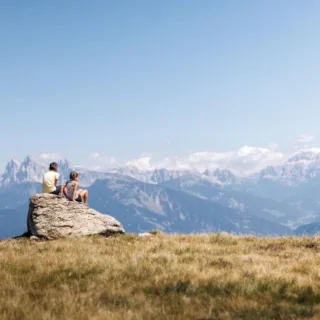
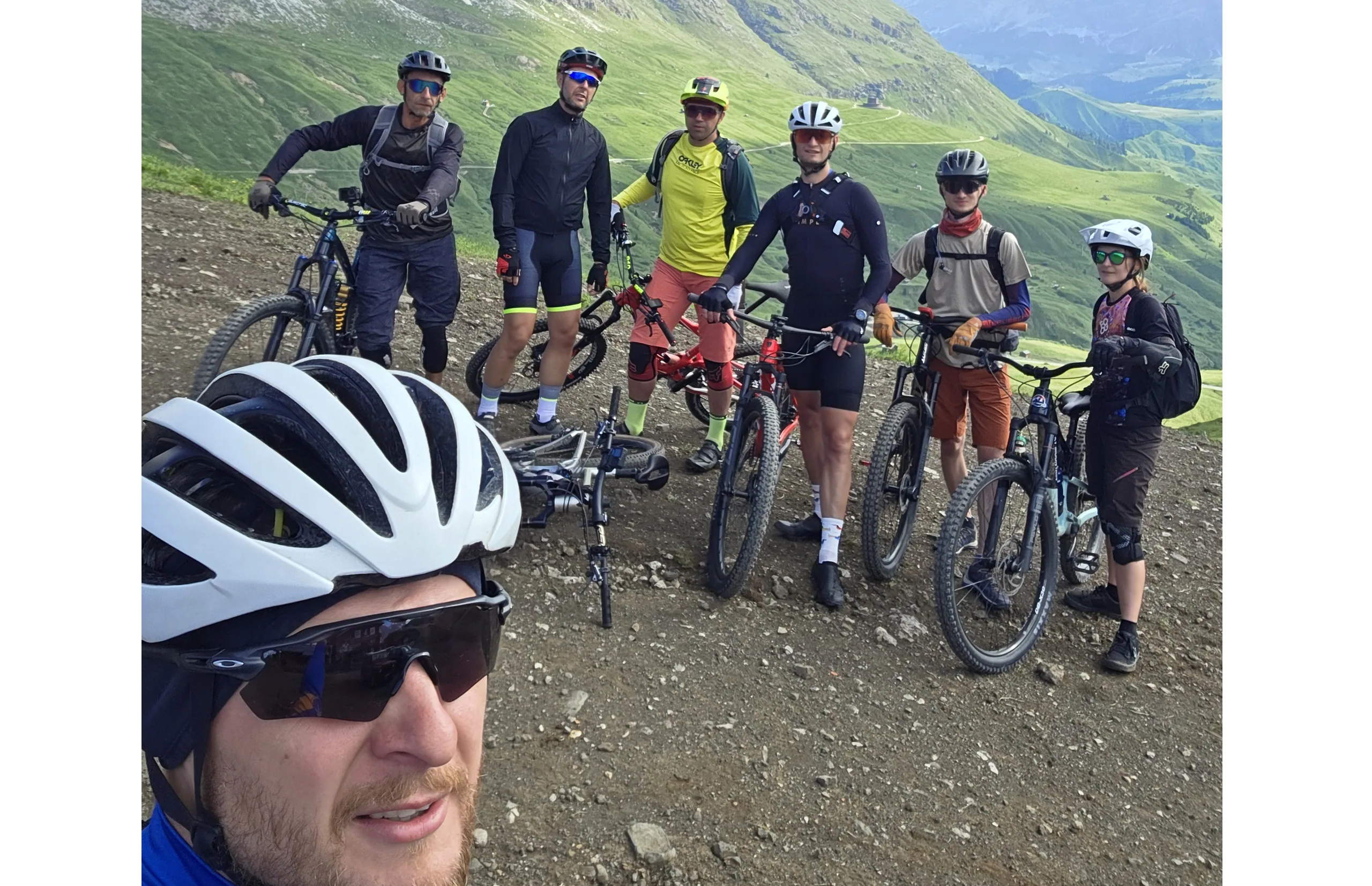
The mountains are always close. In summer, the Plose and Gitschberg Jochtal mountain areas open up hiking and biking routes, family experiences, panoramic viewpoints and mountain huts. In winter, both areas become the main centres for skiing and snow activities. What distinguishes the destination is not only the mountain landscape, but the ease of combining it with other experiences. Cable cars shorten the way to the heights; towns, villages and cultural sites remain nearby. This makes it possible to move between active and slower moments without turning the day into a transfer schedule. Nature is treated as a valuable living environment. The official destination website encourages mindful use of resources, public transport and responsible travel, while the South Tyrol Sustainability Label provides a recognised framework for certified tourism businesses and destinations.
WINE, FOOD & TÖRGGELEN THE ISARCO VALLEY ON THE PLATE AND IN THE GLASS
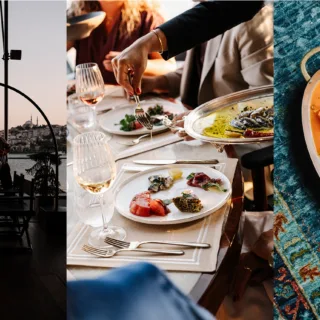
Food and wine are closely connected to landscape and season. Vineyards rise on sunny, sometimes steep slopes between roughly 500 and 1,000 metres above sea level. Moraine soils, Dolomite limestone, slate and quartzite, together with warm days and cool nights, shape the fresh, aromatic character of Isarco Valley wines. The wine culture is part of the destination’s identity rather than a separate attraction. Small-scale vineyards, long family traditions and a strong focus on origin and craftsmanship sit alongside new ideas in the cellar. The region is particularly known for white wines with freshness and character.
TÖRGGELEN IN BRIEF
Törggelen has its roots in the Eisack Valley. The name is linked to the Latin “torquere” – to twist or press – and to the traditional wine press known locally as the “Torggl”. At its centre is the new wine, traditionally accompanied by farmhouse dishes and roasted chestnuts. Typical dishes include barley soup, dumplings, Schlutzkrapfen, a hearty meat platter with sauerkraut, sweet Krapfen and roasted chestnuts. A walk through vineyards or along the chestnut trail is a natural part of the experience and connects food directly with the landscape.
LOCAL PRODUCTS
Apples, chestnuts, wine, cheese, speck and other regional products appear throughout the destination. Around Klausen, local specialties also include plums and mountain-pine products. The common thread is a strong focus on origin, quality and the people behind the product.
BRIXEN SÜDTIROL GUEST PASS ONE DESTINATION, ONE CARD
The Brixen Südtirol Guest Pass is available at participating accommodations and is valid for the entire stay. It is designed to make the different parts of the destination easier to experience without relying on a car.
- Free use of buses, ski buses, regional trains and public cable cars in South Tyrol.
- One ascent and descent per day on selected lifts in the hiking areas of Gitschberg Jochtal and Plose during defined seasonal periods.
- Free admission to selected museums, including Neustift Abbey and the Hofburg Diocesan Museum.
- Free access to selected swimming pools and additional leisure benefits such as minigolf.
ARRIVAL
Brixen Südtirol lies on the main north-south route through the Brenner corridor. The A22 motorway provides direct road access, while regional and long-distance rail connections serve Brixen, Klausen, Franzensfeste and Mühlbach. Nearby airports include Bolzano and Innsbruck; other international gateways listed by the destination include Verona, Venice, Bergamo, Milan and Munich. Once in the region, the Guest Pass makes public transport across South Tyrol available free of charge, supporting car-light travel between towns, villages and many excursion points.

All Inclusive
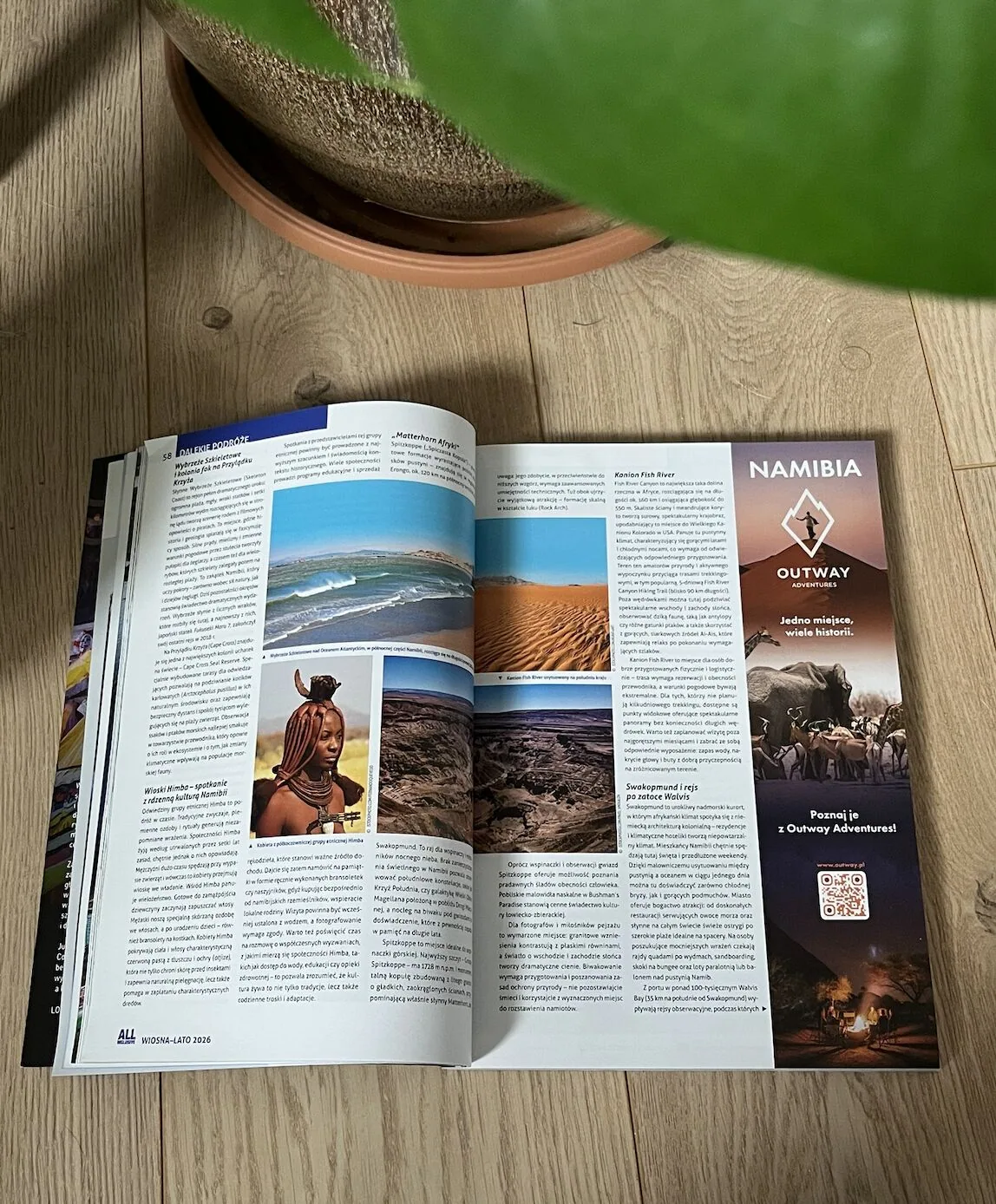
Luksusowy kwartalnik turystyczno-podróżniczy. Od 2004 roku opisujemy miejsca, do których warto lecieć dłużej niż na weekend, i ludzi, którzy je prowadzą.