According to the latest study, „Family Businesses in the Hospitality Industry,” conducted by the German association Die KMU-Berater, approximately 75 to 80 percent of hospitality businesses in Germany are family-run or -owned. Similar structures can be found in Austria and South Tyrol. Consequently, the issue of generational change affects the majority of hotels. Many businesses have been built with passion over decades and generations. When the time comes to hand over the reins, it is not just a matter of legal or tax issues. It is also about identity, responsibility, values, and ensuring that a vision of sustainability is passed on.
Family businesses thrive on long-term perspectives and close personal connections to their companies. Therefore, decisions such as handing over the business to the next generation are rarely made under short-term pressure to generate returns. Rather, they are made out of a desire to ensure stability and continuity. This is precisely why responsible management in family-run hotels often stems from a deep-seated commitment to employees, guests, and the region. Therefore, regulating succession is always an emotional process. It requires clarity, preparation, and mutual respect. Existing values should be preserved, but the next generation simultaneously wants to establish its own identity. Both elements must complement each other.
Succession, especially in sustainable accommodations, means taking on entrepreneurial responsibility rather than achieving short-term self-realization.
Sustainability as a “hereditary” value
Sustainability encompasses more than just a certificate or a list of measures. It reflects a company’s identity and the values firmly rooted in its philosophy. Often, both of these arise not from guidelines but from setting an example. When children see their parents working with regional partners, building in a resource-efficient manner, or prioritizing long-term employee retention from an early age, responsible behavior becomes second nature to them as well.
Sustainability connects generations – best practice examples from the Green Pearls® network
Summit Lodges Pfunds: Teaching values from an early age
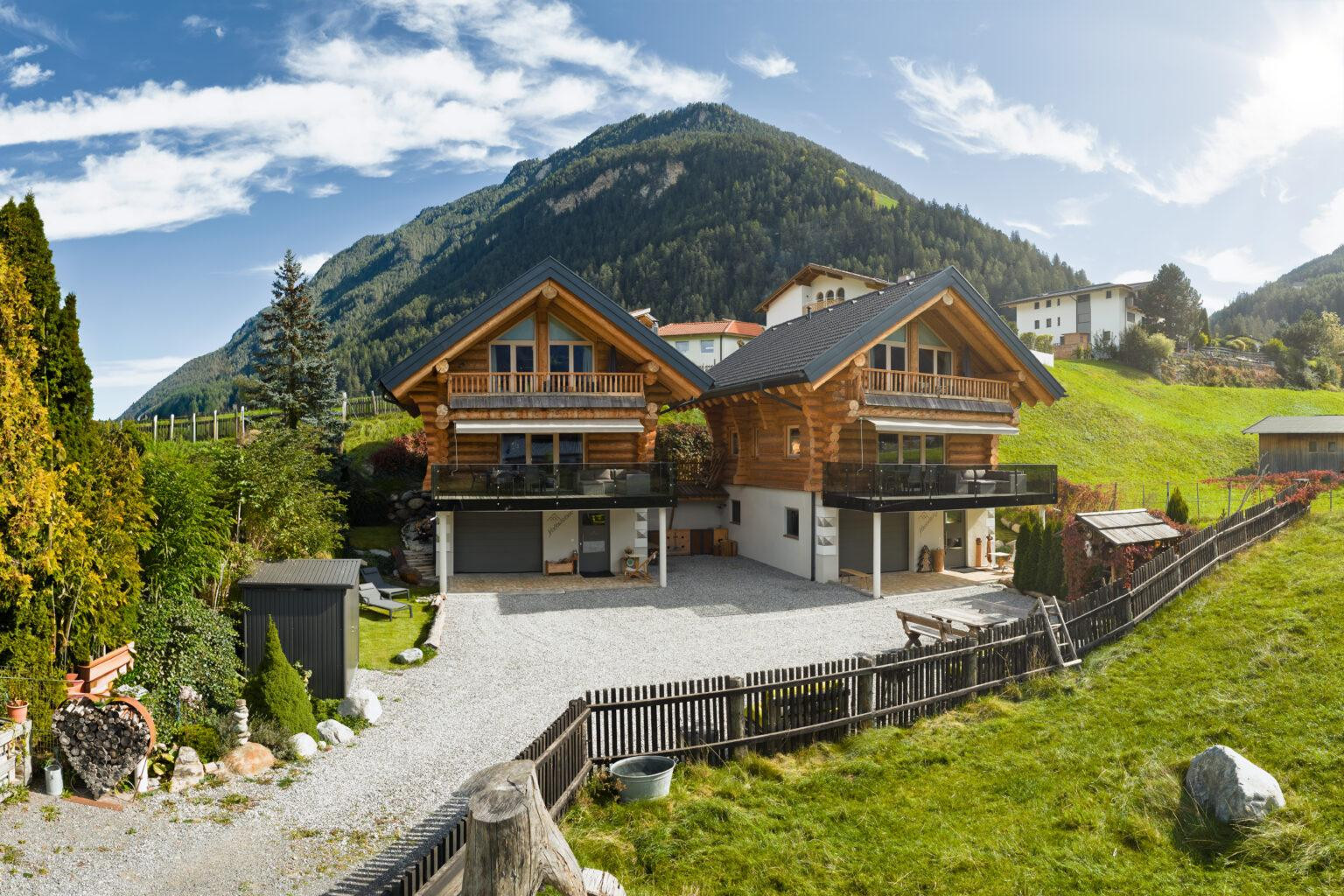 The Summit Lodges Pfunds were built in 2018 on land owned by the Spiss family. The property has been in the family for generations and was previously used as a pasture. The family carefully developed their heritage in harmony with nature and the region by constructing two North American-style log cabins. From the beginning, the lodges were designed to be built in a resource-efficient manner, offering guests an authentic, natural, and cultural experience. The impressive landscape surrounding Pfunds is more than just a backdrop for the family; it is the foundation of their long-term success. Here, sustainability is also considered in terms of generations. The next generation is growing up with the company’s values as a matter of course. Responsibility, entrepreneurial thinking, and sustainable action are taught from an early age, not just when the business is handed over.
Naturhotel Outside: Sustainability as a lived corporate culture
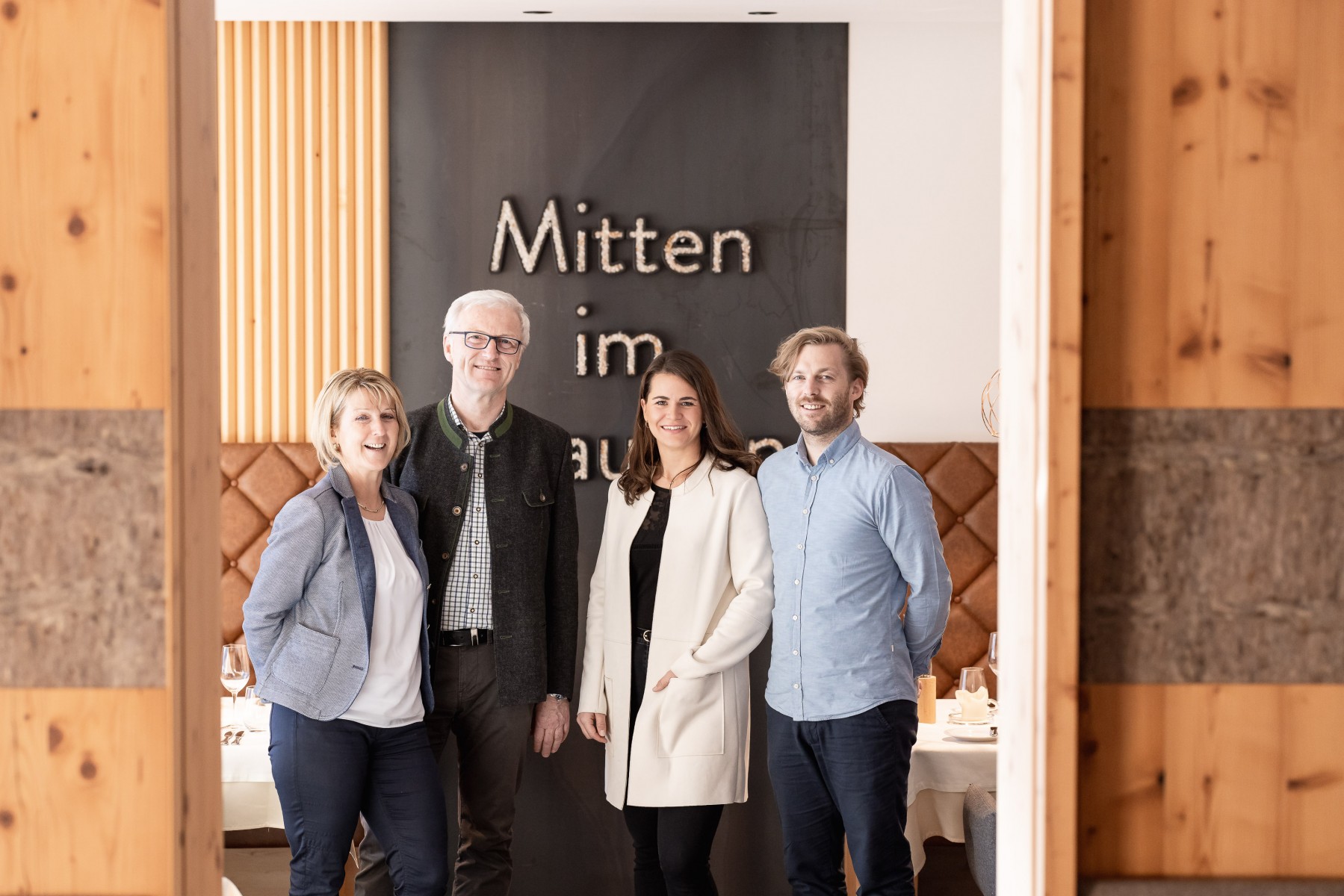 The family-run Naturhotel Outside is located in the heart of the Hohe Tauern National Park and has already undergone a successful generational transition. For Daniel Ganzer, who took over the business from his parents in 2023, sustainable management has always been a priority. He does not see himself as an activist but rather as a practitioner, further developing what already exists, using energy more efficiently, and treating resources with care. Strong teamwork, appreciation, and regional roots are important to him. His vision is to have an economically healthy establishment that brings joy to guests and employees while ensuring a future worth living for future generations.
Hotel Schloss Lerchenhof: a professional transition that maintains the same philosophy
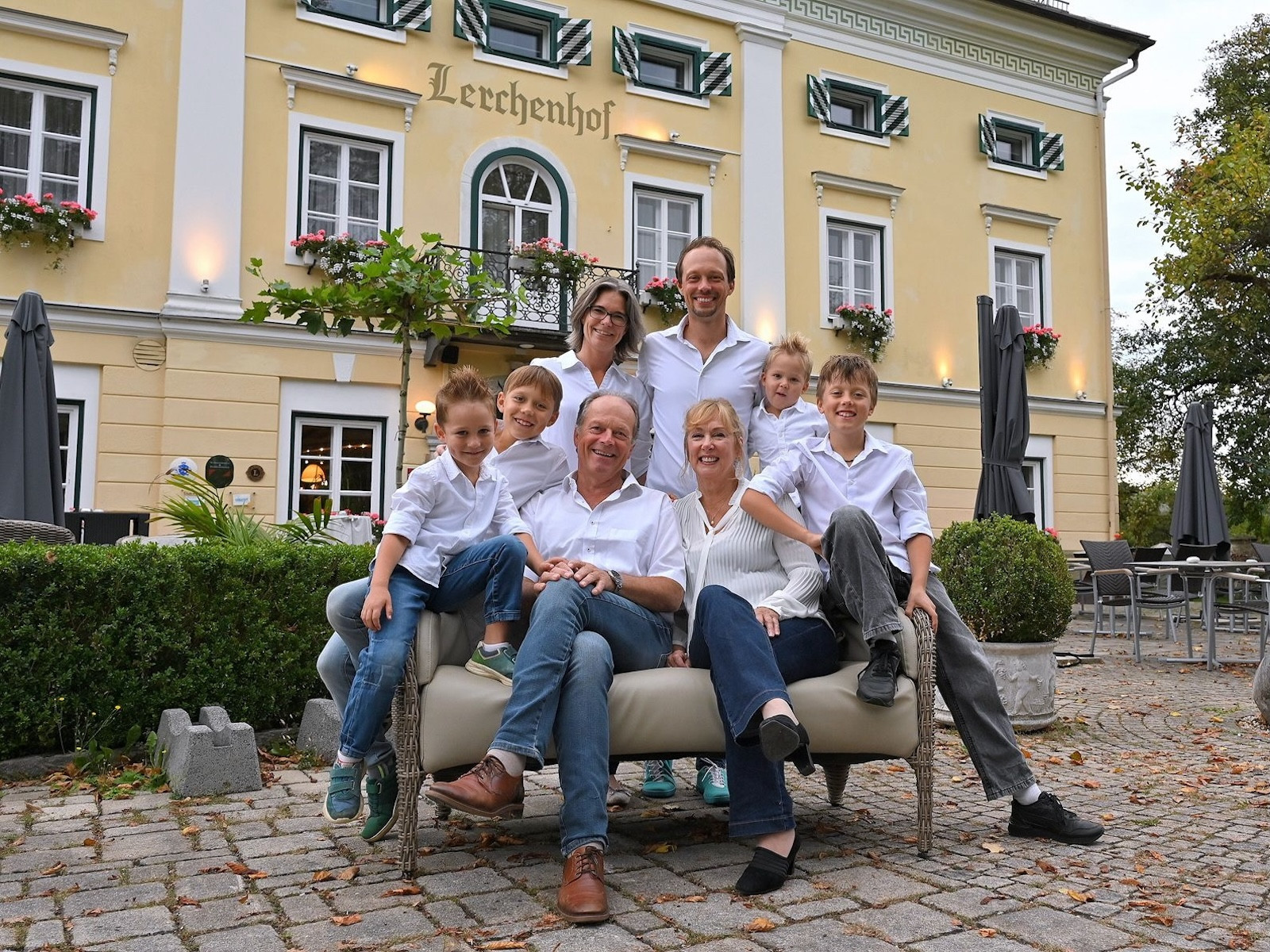 In July 2025, Johann Steinwender and his wife, Karin, officially took over the Slow Food Hotel Schloss Lerchenhof. The couple had leased the business from May 2023 to June 2025. They chose the two-year transition phase deliberately in order to structure the handover process professionally and make it transparent. This process was supported by the Steinwenders’ respectful relationship with their parents, Hans and Gerhild. For Johann Steinwender, the Lerchenhof is more than just a workplace. He grew up there, helped out as a child, and developed an early attachment to the property. After gaining more than ten years of experience in international tourism, he returned. This decision was also personally motivated by the birth of his first son. Steinwender manages the Biedermeier castle in Carinthia, Austria, to run it in a long-term, sustainable manner.
Hotel Luise: Sustainability as a family legacy
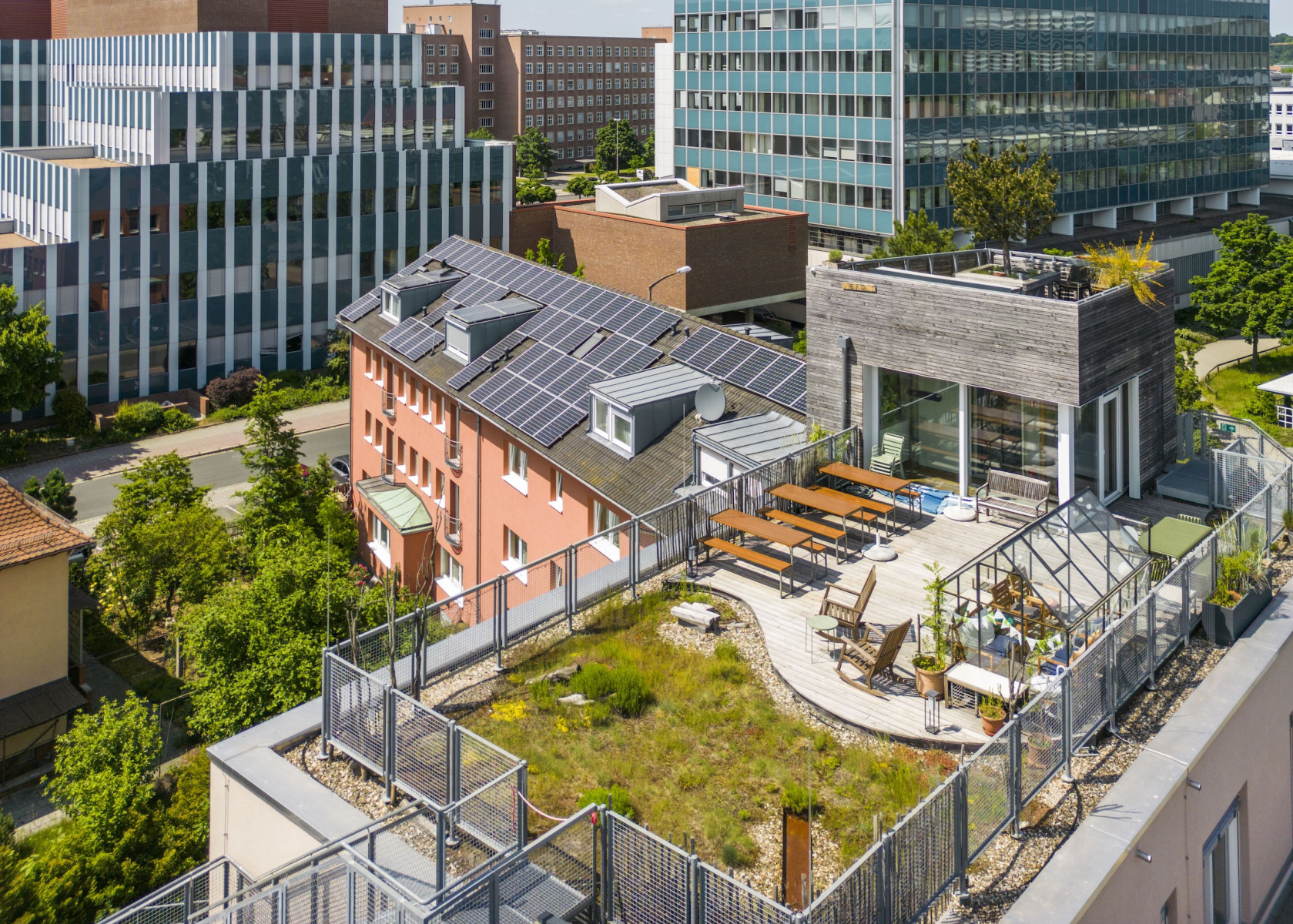 Ben Förtsch is the third generation to run the Hotel Luise. Rather than a radical new beginning, there was a conscious and careful further development of the established foundation of values. In addition to technology and design, sustainability is evident in the stories, symbols, and attitudes here. The moon tree trunks at the entrance are a tribute to his father, and the personal anecdotes on the menu recount the family’s history. These visible signs establish the hotel’s identity, both internally and externally. A photo from 1931 shows Luise Gumbmann, after whom the hotel is named. Her daughter, Marga, founded the business in 1956. This awareness of heritage continues to inform business decisions to this day. A green philosophy has been part of the business since at least the time of Ben Förtsch’s parents and continues to shape the hotel today. Förtsch himself combines the circular economy, climate-friendly concepts, and innovative design with this history.
Relais del Maro: Hospitality across generations
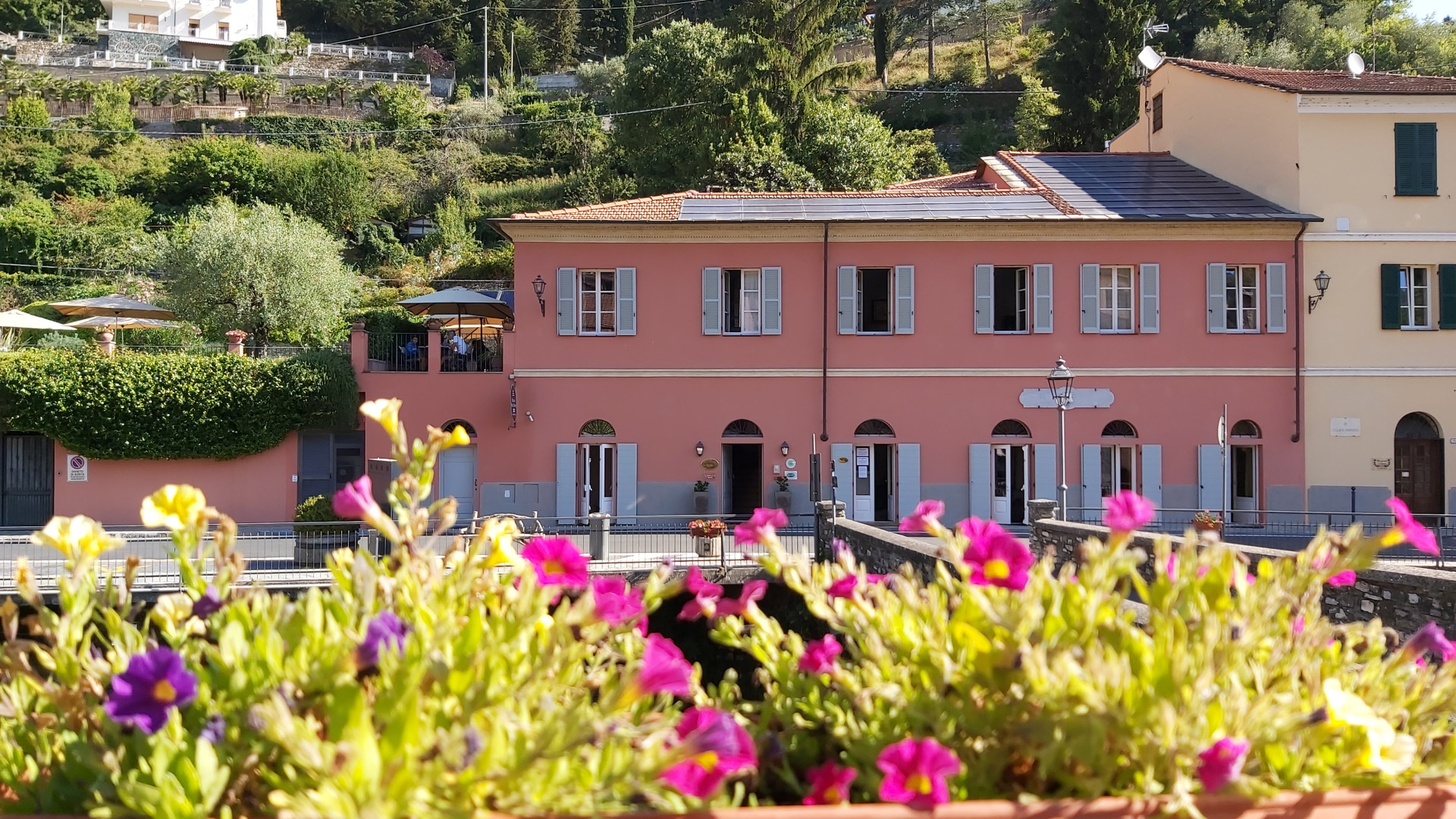 The Relais del Maro is a charming, family-run Albergo Diffuso in Borgomaro, Liguria, run by Elena Scalambrin and her mother, Piera. The family’s roots run deep in the history of this small village in the Imperia countryside. For generations, their ancestors were known as cobblers, innkeepers, and butchers. Driven by a desire to preserve the family’s historic property and revitalize the village, the family carefully renovated several houses and transformed them into a hotel in 2012. In this way, the Relais del Maro revitalizes Borgomaro, combining tradition with modern comfort. Personal memories and anecdotes characterize the hotel, making it a very authentic place. Just as their ancestors once welcomed travelers, the family now welcomes guests from around the globe with the same values.
SANDcollection: Structurally securing sustainability
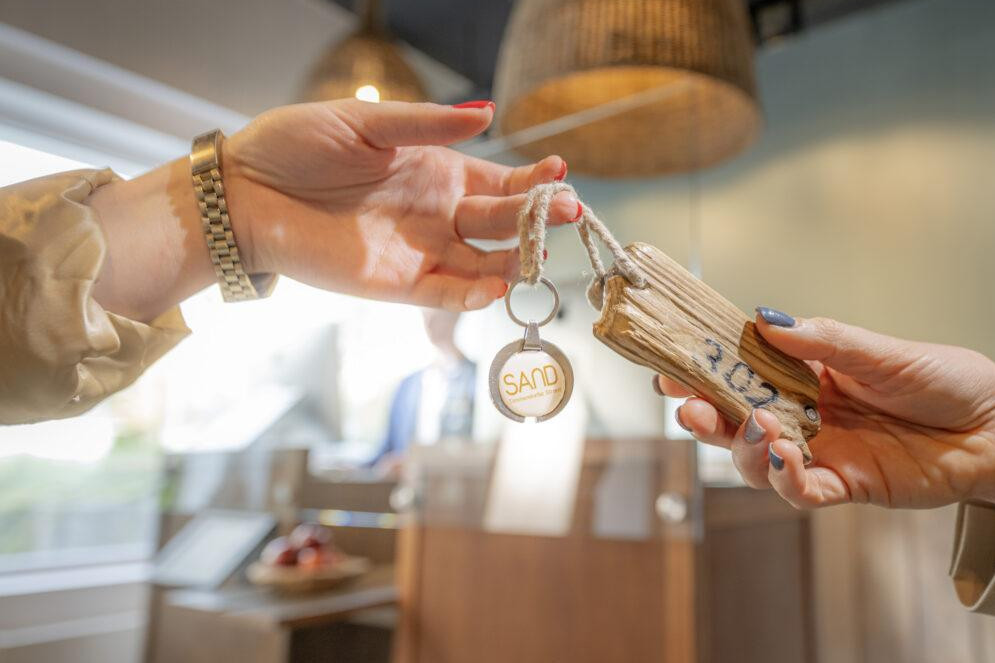
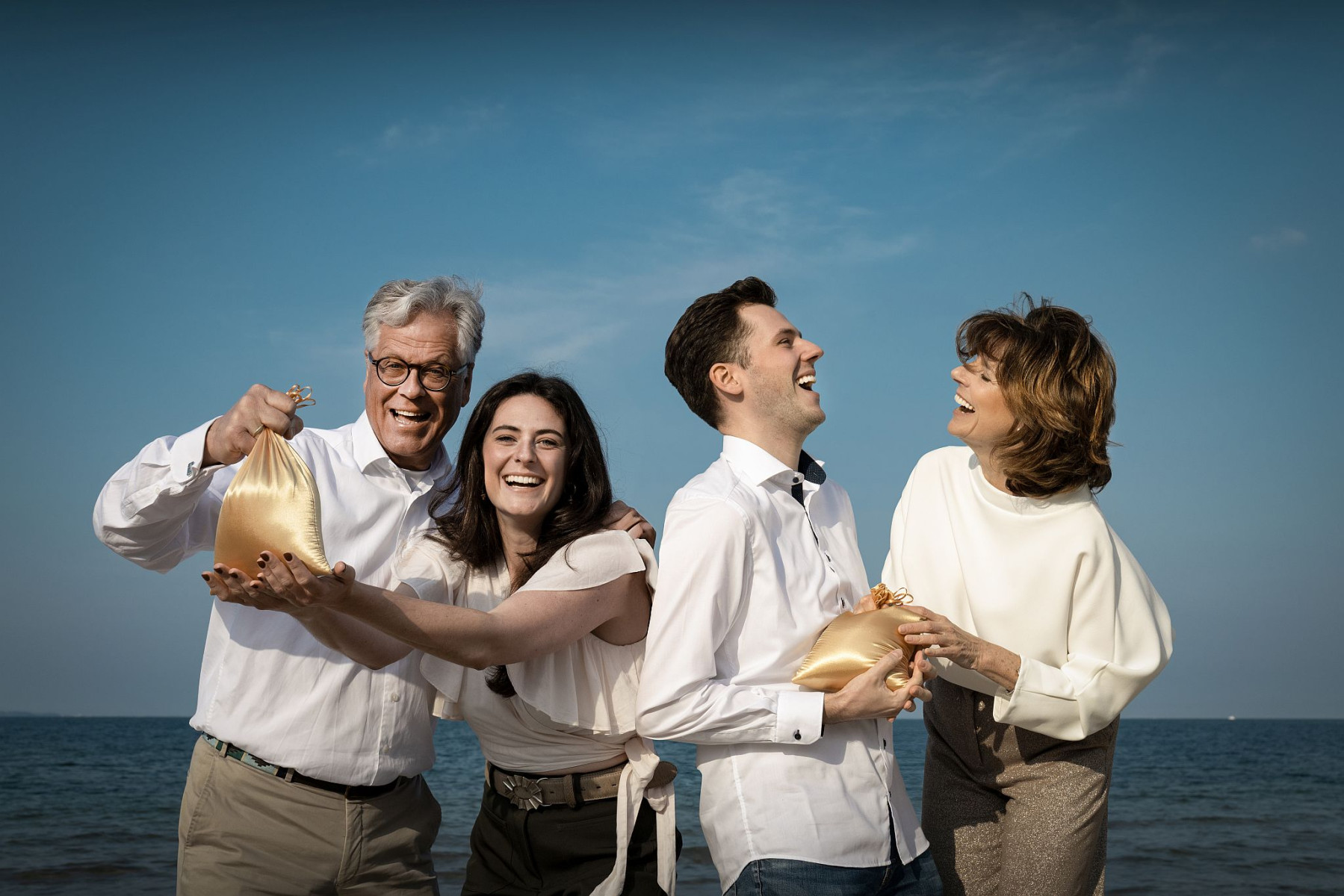 Through the creation of the SANDcollection, Managing Director Marion Müller has established a clear vision for the lifestyle hotels, SANDnature and SANDglow. The „SANDspirit” should transcend the individual hotels and represent a comprehensive understanding of sustainable living. This attitude is conveyed through a set of values and criteria that define ecological, economic, and social sustainability and are written down. The participatory, bottom-up approach is notable: management does not specify the criteria alone but develops them together with the team and continuously reviews them. For Marion Muller, ensuring the continuity of a family business means considering the needs of future generations. A sustainable vision must be ideologically clear, economically viable, and organizationally secure. This includes early, long-term planning for the transition, ideally with the involvement of external experts and, of course, one’s family.
Hotel Korinjak: A vision that endures
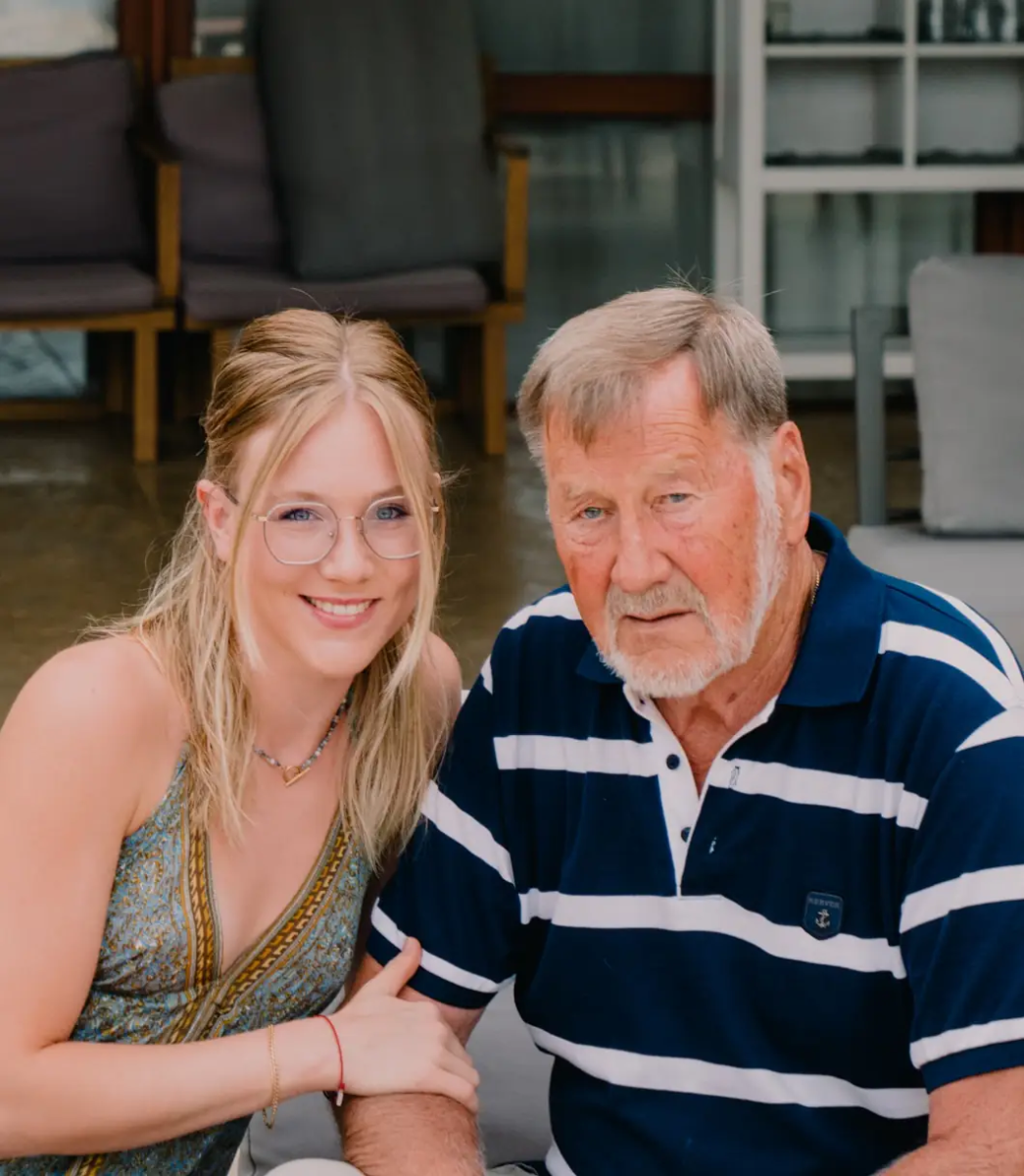 Hotel Korinjak is the only hotel on the Croatian island of Iž. This unique setting shapes the hotel’s approach to sustainability and every decision made. For this family-run business, the focus of succession planning is therefore not on the hotel itself, but on its philosophy. In the sensitive island setting, especially, sustainable management must be part of daily practice: in water and energy use, food selection, and respectful coexistence.
These values are consciously passed on from an early age. The next generation is not only involved in operational processes but also grows into the underlying mindset. This fosters an understanding of why certain measures are taken, how processes unfold, and why specific choices are made. At the same time, the new generation brings different, forward-looking perspectives and carefully builds upon the existing concept. For Hotel Korinjak, generational change means sharing responsibility and establishing an enduring ethos, regardless of individual personalities.
My Arbor: Between tradition and the next generation
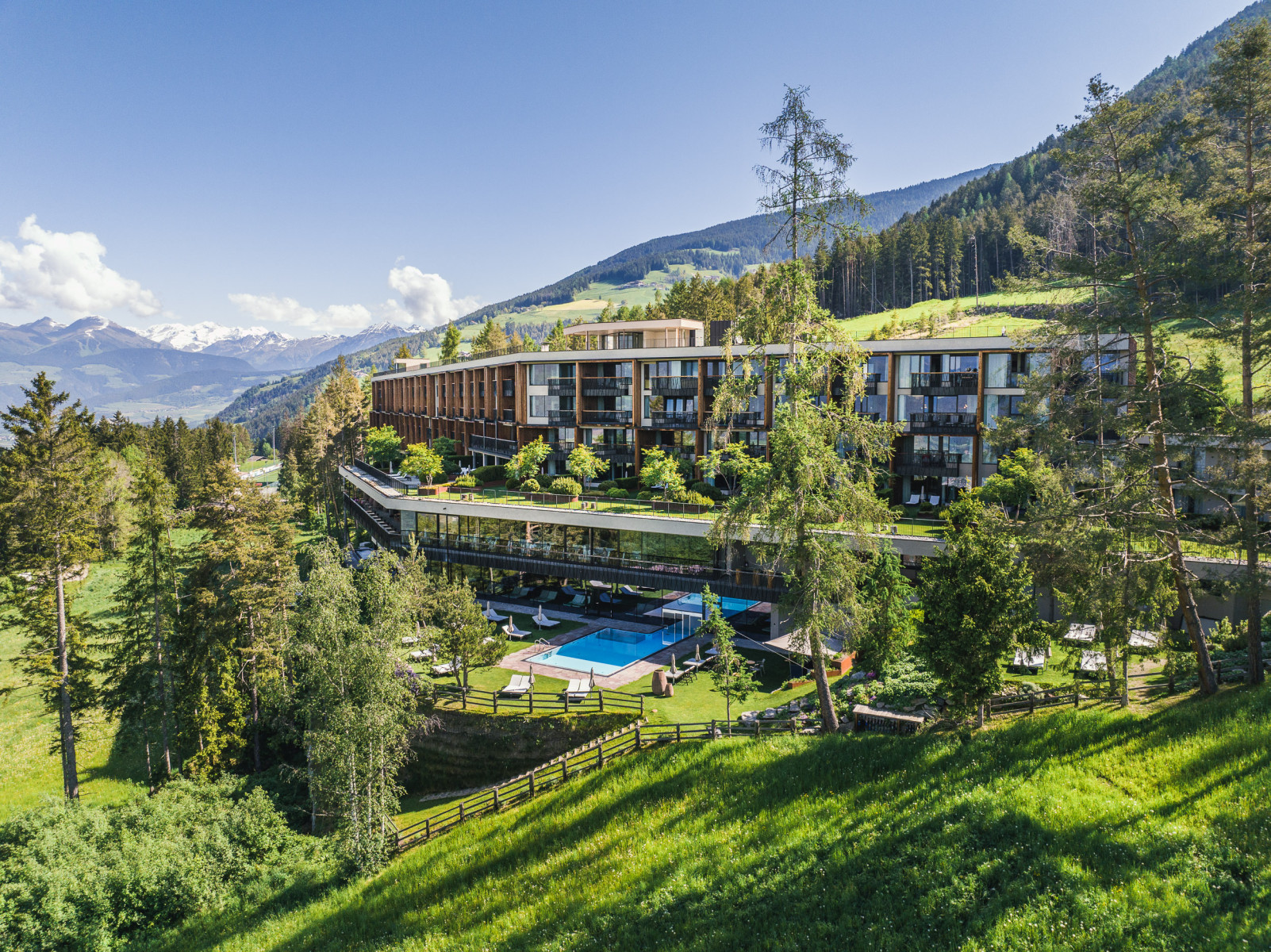 At the tree hotel My Arbor in Brixen, Alexandra Huber believes that sustainable management must be continued and actively shaped for the future. She and her family are currently in the midst of a generational transition. The transition is happening gradually, with close collaboration between parents and children. Traditions provide guidance, but openness to new ideas and developments is also necessary, says Huber. Responsibility always extends to future generations as well. Sustainability is a long-term perspective that grows and evolves. The fact that Huber herself has just become a mother makes this process even more tangible.
Hotel Das Rübezahl: Sustainability is in their DNA
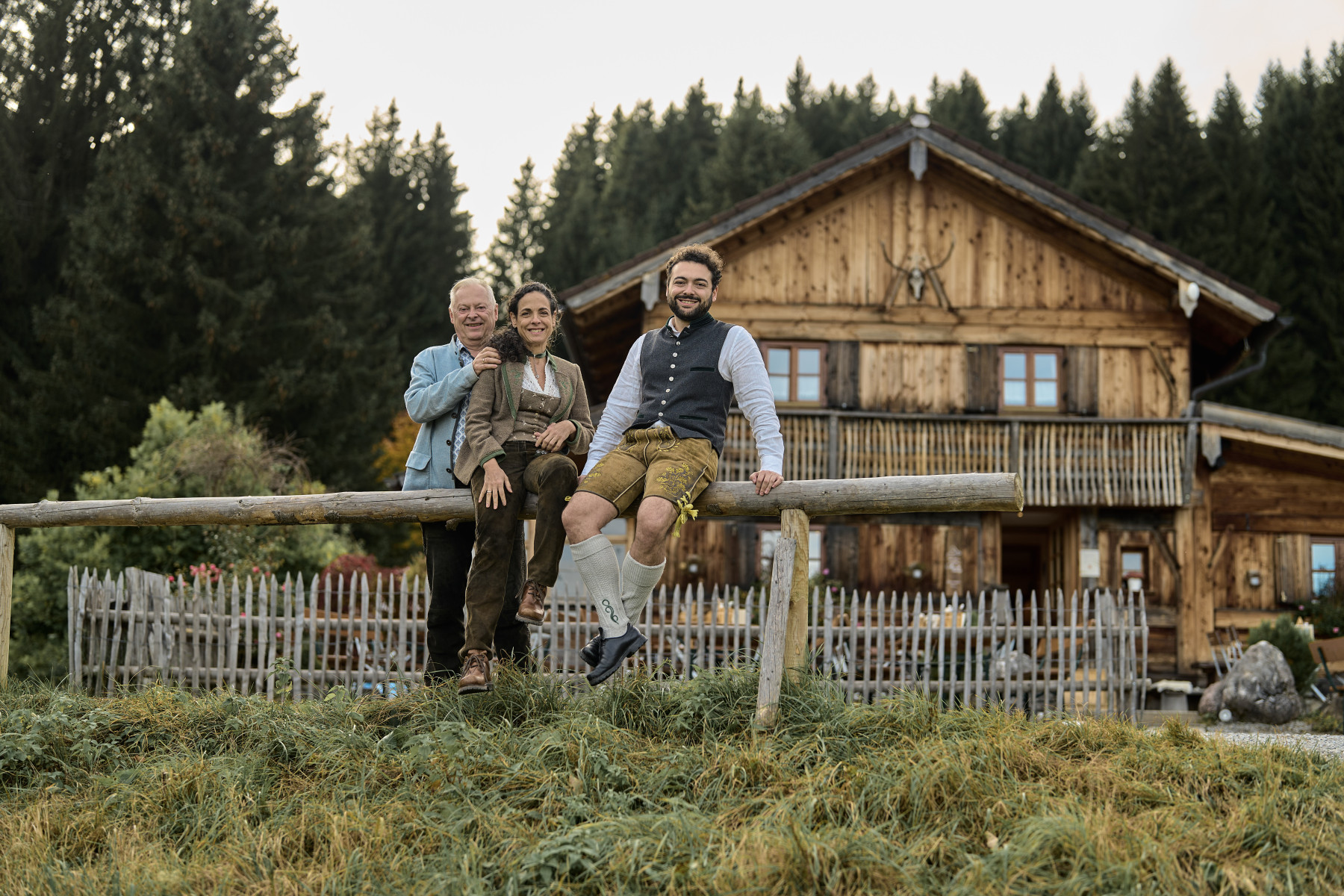 The generational change at Hotel Das Rübezahl is taking place quietly and smoothly. Alexander Thurm, representing the third generation, has been involved in management for some time. Previously, Hildegard and Herbert Thurm handed over the business to their children, Erhard and Giselle, who developed Das Rübezahl into a well-known romantic hideaway. The success of the second generation is now shaping the third. Conflicts over values? Not at all. „Sustainability, environmental awareness, and a love of nature are in our DNA,” says Alexander Thurm. These values have always been part of their daily activities and long-term decisions, not just a strategic label. The third generation has increased visibility above all else. Alexander has made what was self-evident to insiders apparent to outsiders. His goal is not a radical change of direction, but rather continuous improvement and communication of core values.
Paradiso Pure.Living: Shared values as a solid foundation
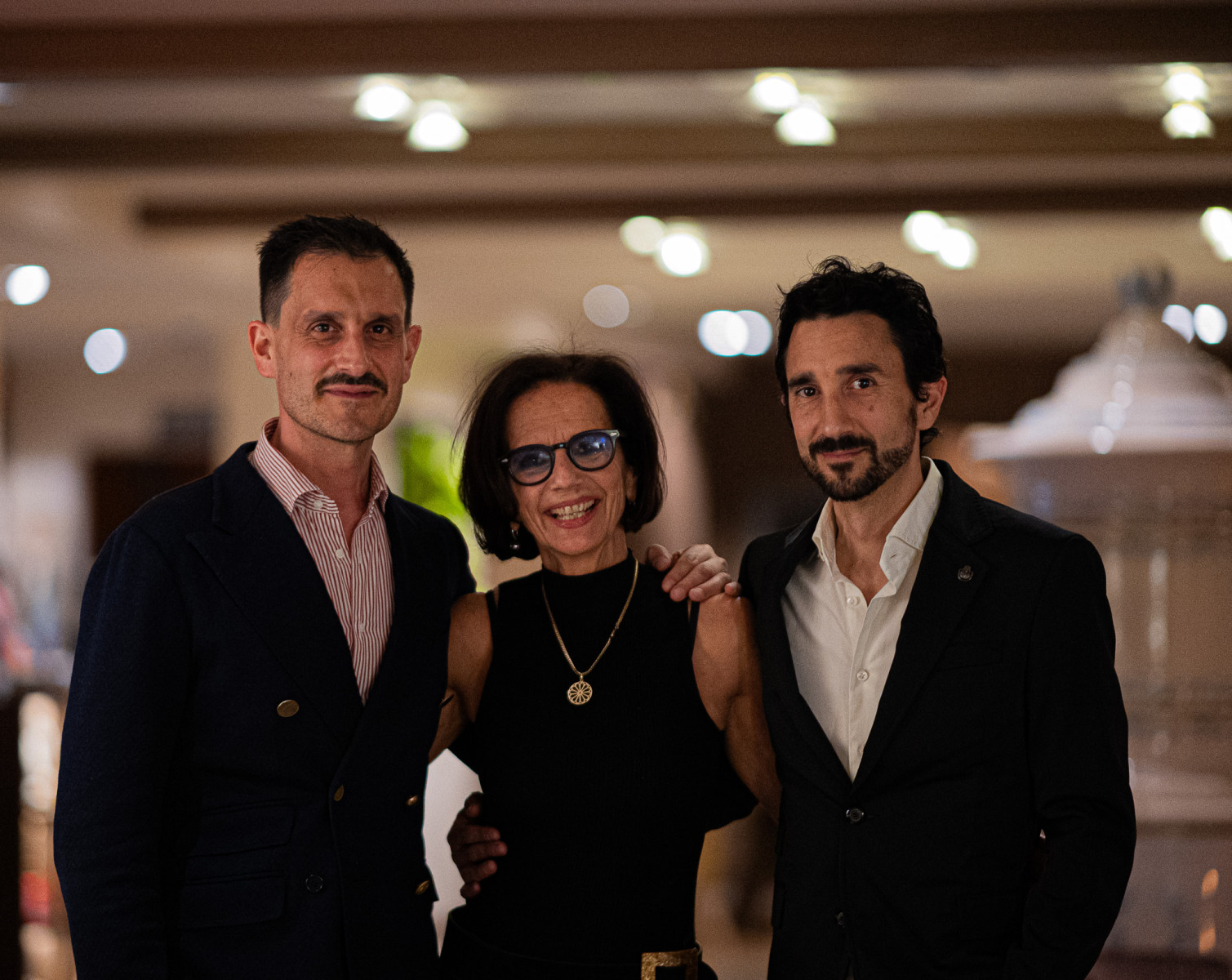 Clear, shared values can sustain a business across generations. The Paradiso Pure.Living vegan hotel on the Seiser Alm is a clear example of this. In 1994, Valeria Caldarelli and her husband bought the historic hotel, rebuilt it, and spent many years shaping it. Today, her sons, Alexander and Maximilian Spögler, continue to run the family business with the same pioneering spirit and courage.
A shared understanding of sustainability made the transition easier. All generations of the family now live vegan lifestyles and share a clear philosophy that continues to shape the Paradiso and its sister hotels. This continuity fosters trust and provides direction for the future. While the next generation is growing up at the Paradiso, the foundation for the next succession has already been laid—a philosophy that is lived out in daily life and passed on quite naturally, without needing to be explained.
The “endless game” of generations
A well-planned succession strategy is essential to securing the long-term success and values of a family business across generations. Succession is not a one-time event, but rather an ongoing process characterized by trust and strategic foresight. Family businesses form the backbone of the German-speaking hotel industry. When sustainability is established and passed on as both a strategy and an attitude, the result is an „endless game” based on consistency, innovation, and responsibility. Green Pearls® partners exemplify that business succession is primarily a deliberate choice to transmit values and assume responsibility for future generations. In this way, sustainability becomes a legacy, not just a trend.