
he year 2026 has begun, and January is traditionally the month with the most bookings. According to the trade journal fvw, despite economic and political uncertainties, Germans have not lost their desire to travel. The German Travel Association (DRV) is forecasting increased sales for the new travel year and expects German citizens to spend approximately 86 billion euros on vacations and travel this year. This represents an increase of at least three percent over last year.
«Travel remains a key need for many people this year.»
Albin Loidl, DRV-Präsident
Early booking figures confirm this trend impressively: vacation trips for the coming months are being booked even earlier than last year.
When popularity becomes a strain
The way travel destinations are discovered has fundamentally changed. Today, many travelers no longer rely solely on traditional travel guides for inspiration; instead, they combine AI tools with social networks, video platforms, and online forums. This travel mixology accelerates trend dynamics: places can become global hotspots within months, often without necessary infrastructure or protection plans. This is particularly evident when TV series, films, or influencers put little-known destinations in the spotlight.
Technological advancements in air travel are further reinforcing this trend. New long-haul, narrow-body aircraft allow for nonstop flights to cities that were previously difficult to reach. While this opens up new markets, it also puts pressure on regions unprepared for a sudden influx of visitors.
The consequences are particularly evident at popular nature destinations. A striking example is Berchtesgaden National Park: the “Infinity Pool,” a rock pool above Lake Königssee, has become a magnet for visitors from around the world thanks to social media posts. On peak days, over 350 people set out on the dangerous trail. This has resulted in a network of footpaths spanning several kilometers, significant encroachment on sensitive habitats, and a substantial threat to strictly protected animal species. By 2021, only one course of action remained: closing the area for at least five years to prevent further destruction.
Green Pearls: Three approaches to more sustainable tourism in popular destinations
The partner hotels of Green Pearls®, a global association of sustainable hotels, have different yet equally thoughtful strategies for addressing mass tourism. Three basic approaches can be distinguished: hotels in regions that actively manage tourist flows; hotels in remote areas far from tourist hot spots; and hotels in regions that promote sustainable tourism.
Active visitor management and protective measures
The Hotel Klosterbräu & Spa in the Seefeld region of Tyrol is a prime example of a well-thought-out approach to tourism in an area that has already been developed for it. Seefeld deliberately focuses on sustainable tourism rather than mass tourism. With activities available year-round, ranging from cross-country skiing in the winter to golfing in the summer, visitor numbers are evenly distributed across all seasons. Clearly marked trails in the Wildmoos landscape conservation area and the Karwendel nature park regions ensure that sensitive areas are not overburdened. Access restrictions for vehicles are particularly effective, such as limited access to the Gaistal Valley. Digital visitor guidance via apps complements the traditional infrastructure and directs guests to less-frequented routes.
The Seiser Alm nature reserve, home to the Paradiso Pure.Living vegan hotel, takes an even stricter approach. The hotel sits at an elevation of over 2,000 meters within the UNESCO-protected Schlern-Rosengarten Nature Park. To protect the area from CO₂ emissions, guests are only permitted to drive their private cars to the Seiser Alm at certain times and with permission. Additionally, vehicles may only be driven into the region on the day of arrival and departure. For the remainder of the vacation, they must remain in the designated parking area. To this end, Paradiso issues a special transit permit for each guest, validated by the local nature park rangers. Furthermore, the construction of new hotels and the expansion of existing accommodations are strictly limited in this protected area.
In contrast, the Hotel Klosterhof – Alpine Hideaway & Spa, located in the Berchtesgaden region, has direct experience with the effects of influencer tourism thanks to its famous „Infinity Pool” at Königssee. After closing the popular spot, the strategy changed fundamentally: rather than hoping visitors would use common sense, the focus is now on transparent information and active alternative offers. The Klosterhof openly informs guests about the reasons for the closure and recommends less popular destinations, of which there are many in the region. This approach has proven successful; those who understand why a place needs protection are much more likely to respect the rules.
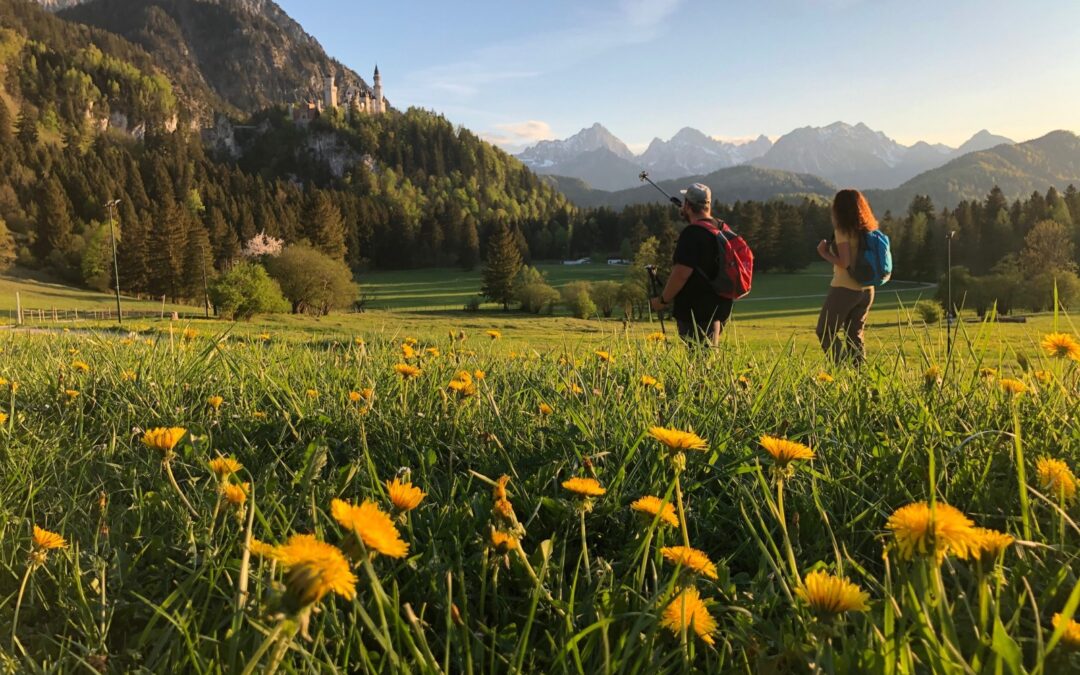
Neuschwanstein Castle, one of Germany’s most famous landmarks and recently designated a UNESCO World Heritage Site, is also facing new tourism challenges. The designation comes with stricter requirements for protecting the castle and its sensitive surroundings. Meanwhile, visitor numbers continue to rise. The nearby Hotel Das Rübezahl supports regional efforts to improve visitor management by recommending off-peak times, alternative routes, and less-frequented viewpoints. The goal is to manage the growing number of visitors in a way that reduces environmental impact and preserves the exceptional cultural value of the World Heritage Site and the entire region in the long term.
The Croatian island of Iž is an example of how regional protection regulations and a hotel’s individual philosophy can intertwine. The Hotel Korinjak is the only hotel on the island, which automatically limits tourism. It does not accept large groups and only operates seasonally, from spring to early autumn. These self-imposed restrictions are part of the hotel’s philosophy and help retain the island’s original character. Other protective measures include an obligation to stay on marked paths and trails, limited access to sensitive areas such as nesting sites or reefs, ticket-based entry systems with possible restrictions during peak times, and bans on swimming and diving in certain zones to protect sensitive underwater formations.
Seclusion as a concept: Natural protection through location
Far from mass tourism routes, on the banks of Cambodia’s Tatai River, lies the Canvas & Orchids Retreat, a place where seclusion is the order of the day. Even just getting there, which can only be done by boat, naturally limits the number of visitors. Excursions into unspoiled nature, such as to the Tatai Waterfall or the mangrove forests, are planned on a rotating basis to keep groups small. Close cooperation with local communities is also crucial: visits are spread across different locations and seasons, ensuring that tourism generates a steady income without overburdening individual communities.
The OLM Nature Escape, located in the Tauferer Ahrntal Valley, is deliberately positioned away from the crowded hotspots of the Dolomites. Guests who check in here are encouraged to venture off the beaten path. Tour tips are highly individualized and tailored to the time of day, weather, ability level, and personal interests. The goal is to facilitate encounters with nature rather than crowds of people. The eco-aparthotel’s personalized approach combines current travel trends, such as individualization and tailor-made experiences, with effective nature conservation.
«The goal: to enable encounters with nature, not with crowds of people.»
OLM Nature Escape
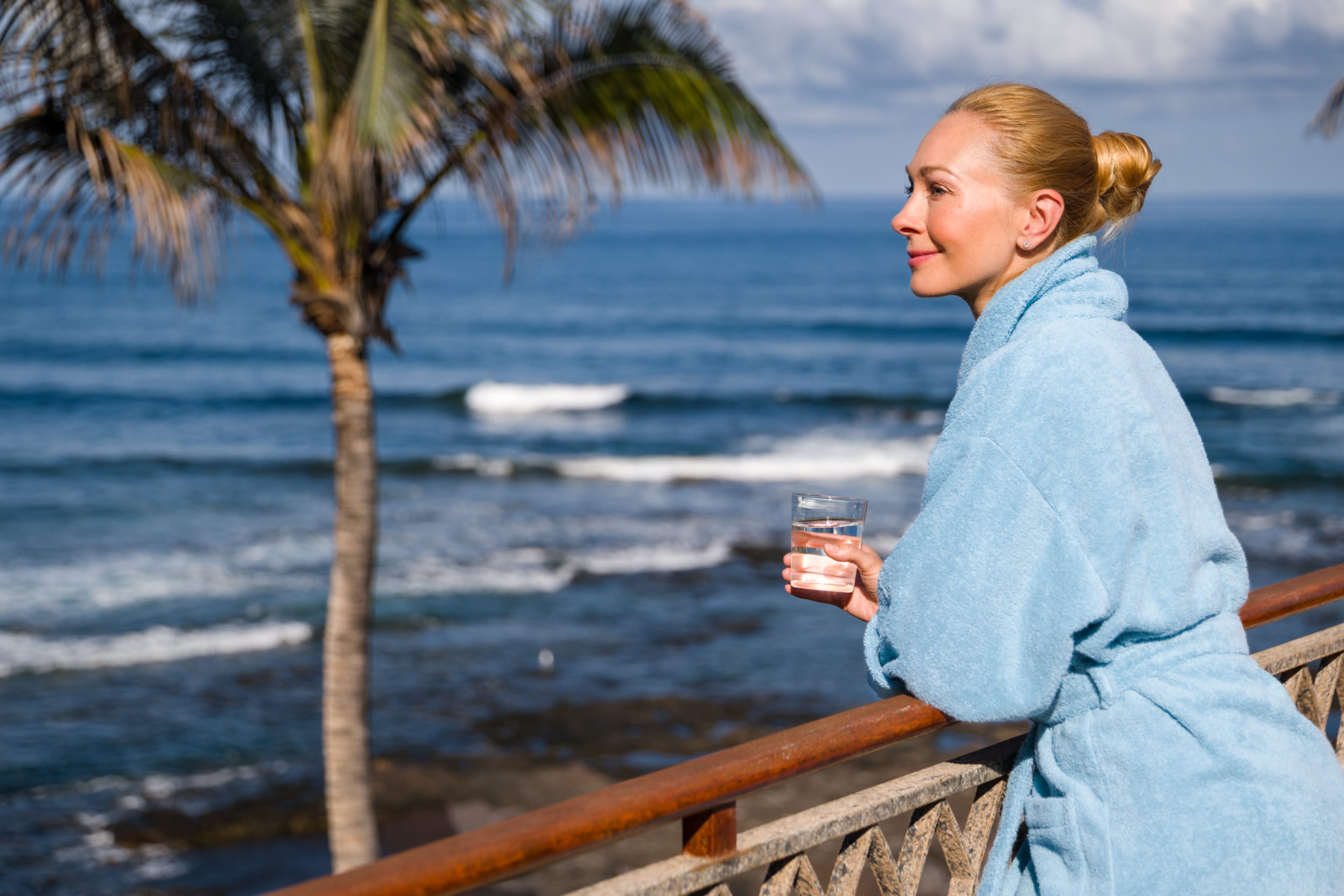 Located in the northern part of Tenerife, at the foot of the Anaga Mountains Biosphere Reserve, the OCÉANO Health Spa Hotel has developed a keen understanding of visitor traffic and mass tourism over the years. The north is less tourist-heavy to begin with, and this tranquility should be preserved. The location also attracts a certain type of guest: many arrive with the explicit desire for peace and relaxation rather than to check off as many items as possible on their itinerary. They spend most of their time at the hotel enjoying the wellness and spa treatments and carefully selecting activities outside the complex. For excursions, such as to the UNESCO World Heritage city of La Laguna, they prefer to take public transportation. This is an example of how a hotel’s location and its guests’ behavior can work together to enable gentle, responsible tourism.
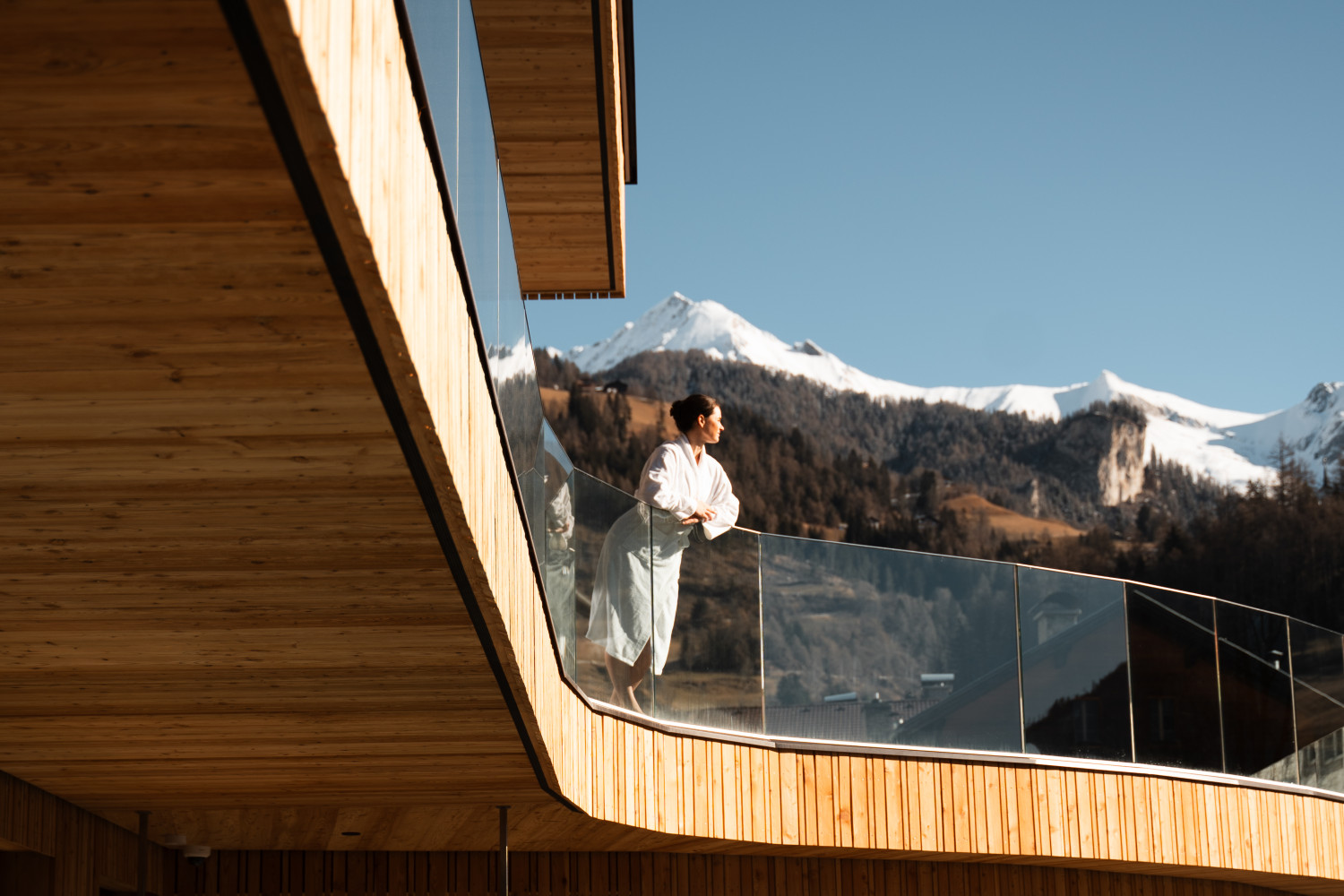 The Naturhotel Outside is located in the Hohe Tauern National Park, the largest protected area in Central Europe. Its unique location naturally limits tourist numbers, a fact that the hotel views as a responsibility rather than a given. According to the hotel staff, there is no overtourism here yet, and they want to keep it that way. Therefore, the Naturhotel Outside specifically targets guests looking for peace and quiet, who want to be surrounded by nature, and are willing to abide by the rules of a protected area. Activities are planned in an environmentally friendly manner, sensitive areas are respected, and the overall experience is designed to be relaxing.

The Ritten region of South Tyrol also adheres to a philosophy of conscious restraint. There are no major events. Instead, the Hotel Weihrerhof encourages guests to extend their stays outside of the holiday season with offers like the “Midweek Lake Time” package. Guests should slow down and enjoy the experience rather than consume. This attitude is complemented by clear regional rules for protecting hiking trails and forest areas. Together, self-restraint and local nature conservation create a space where people can truly relax.
The other side: regions that need more tourism
Overtourism is not an issue everywhere. At Lake Constance, for instance, visitor numbers have decreased since the start of the pandemic. Measures are still being developed to spread guests across the entire season and strengthen the off-season. The Naturresort Gerbehof is familiar with this challenge, as it pertains to regions with seasonal fluctuations that would like to see more consistent occupancy throughout the year. Is this a luxury problem? Not at all. For the local economy, which depends heavily on tourism, a balanced visitor structure would be a real benefit.
A similar situation exists in the Rhön region: while popular destinations are overwhelmed by mass tourism, other attractive areas remain largely undiscovered. The Rhön offers spectacular nature, tranquility, and authenticity, but it is off the beaten tourist track. For hotels like the STURM, an increase in guests, even if only moderate, is often expressly desirable and economically important.
Conclusion: Quality over quantity as a guiding principle
The current booking figures for 2026 demonstrate an unbroken desire to travel. This makes responsibly channeling this demand all the more important. While popular destinations are resorting to drastic measures, Green Pearls® partner hotels are showing that preventive strategies, careful location selection, and active guest communication are effective ways to avoid negative impacts. The motto is clear: it’s better to have fewer guests who stay longer, treat nature with respect, and experience the region authentically than to have hordes of people who come just for a fleeting social media moment and then leave.