
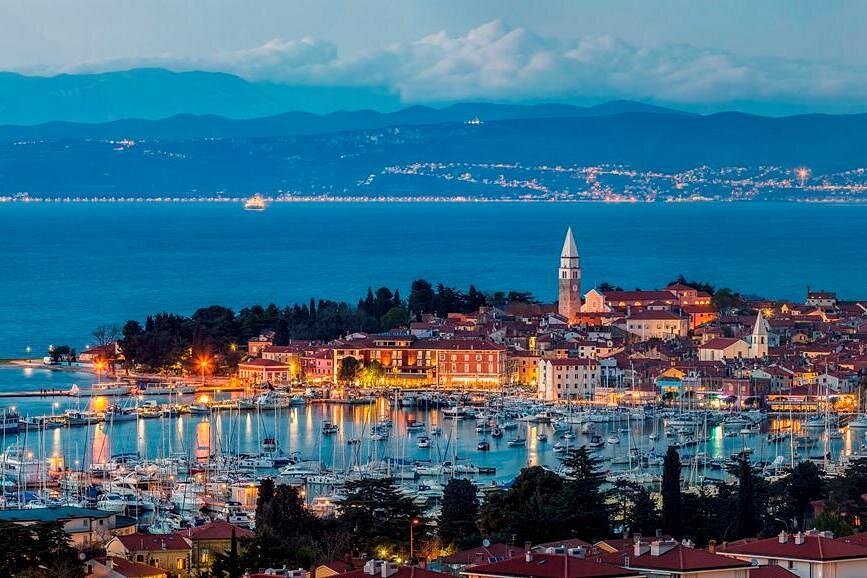
New maritime lines connect Trieste, Grado, Lignano Sabbiadoro, Duino-Aurisina and Sistiana, offering onboard bicycle transport and the opportunity to explore scenic lagoon itineraries
Starting this season, all seaside and lagoon destinations in Friuli Venezia Giulia are connected by scheduled boat services, offering visitors a different way to experience the region’s stunning coastline. Travelling by sea allows tourists to reach the various coastal destinations avoiding traffic and parking issues, while at the same time showcasing the extraordinary beauty of the region’s 130-kilometre coastline, characterized by sandy and rocky shores, protected natural areas and enchanting lagoon landscapes. In addition to the existing boat connections, this year sees the launch of new direct routes linking Trieste – Lignano Sabbiadoro, Trieste – Duino-Aurisina and Trieste – Sistiana, which completes the maritime network connecting all the region’s seaside and lagoon resorts. The service also includes the possibility of transporting bicycles on board, encouraging practical, intermodal, and sustainable mobility.
From Trieste, visitors can reach by boat the crystal-clear bays along the coastline, including the Bay of Sistiana as well as the seaside castles of Miramare and Duino, dramatically perched above the sea, and continue to Marina Julia (Monfalcone), renowned for wind sports. Heading east, travelers can instead reach Muggia, one of the region’s most charming fishing villages. Crossing the Gulf of Trieste, it is also possible to reach the beaches of Lignano Sabbiadoro and Grado, which are themselves connected by sea. Here, tranquil lagoon environments stretch across the coastline. These are home to a natural heritage of extraordinary value, which can also be explored thanks to navigation services leading to the mesmerizing fishing village of Marano Lagunare and the impressive UNESCO archaeological site of Aquileia.
Trieste’s bathing establishments and Miramare Castle: the Trieste–Porto Vivo–Barcola-Topolini–Grignano–Sistiana line
Until 4 October, the Delfino Verde boat service stops at some of the iconic seaside locations of Trieste, including the historic bathing establishments of Barcola – the famous “Topolini”- characterized by its paved shores that preserve the city’s traditions and identity. The boat also stops at the Grignano pier, from where a scenic promenade leads to Miramare Castle. Here, there is the possibility of observing the exhibition “Una sfinge l’attrae. Maximilian of Habsburg and the Egyptian Collections between Trieste and Vienna”, hosted by the castle until 1 November. While, for visitors wishing to discover one of Trieste’s newest symbols of urban transformation, the ideal stop is “Porto Vecchio – Porto Vivo”, an ambitious regeneration project combining industrial heritage with new public spaces for the city. Finally, throughout the year, visitors can also travel by boat from Trieste to the fishing village of Muggia, with its charming Venetian-style historic centre.
The bay of Sistiana and the LEGO® bricks of Duino Castle: the Trieste – Sistiana – Duino-Aurisina – Monfalcone line
Running from 31 May to 20 September, this sea line introduces a new stop in Duino-Aurisina. From the marina, visitors can easily reach Duino Castle, which currently hosts an exhibition featuring seven installations made entirely of LEGO® bricks. The artworks tell the story of the personalities and events that shaped the castle’s centuries-long history, which has belonged to the della Torre e Tasso family for more than 400 years. Also new this year is the direct line from Trieste to the Bay of Sistiana, renowned for its varied and exclusive tourism offering. For trekking enthusiasts, Duino-Aurisina and Sistiana are also connected by the breathtaking Rilke Trail, part of the Alpe Adria Trail.
Discover Grado’s new museums, relax at the new thermal spa, and explore Lignano Sabbiadoro by bike: the Trieste – Grado – Lignano line
Until 4 October, Friuli Venezia Giulia’s major seaside destinations can be reached via direct scheduled boat services. From Trieste, the first stop is Grado, home to two new museums that reveal the island’s deepest identity through spirituality, history and maritime tradition: the Civic Museum of the Treasure of Grado and the National Museum of Underwater Archaeology of the Upper Adriatic. Grado is also strengthening its position as a leading wellness destination with the completion of the redevelopment of its Thermal spa complex, now offering fitness and SPA facilities, beauty treatments, swimming pools, solariums, relaxation areas and exclusive services such as cryotherapy, unique in the region. Continuing by boat, travelers arrive in Lignano Sabbiadoro. Beyond its eight-kilometer beach and immense pine forest with more than 1.2 million trees, this is the ideal destination to unwind and recharge through immersive nature experiences. Its focus on the environment and wellbeing is reflected in a wide range of rejuvenating outdoor activities, including SUP yoga, metabolic walking, forest bathing and water Nordic walking.
Lagoon routes: a journey through canals and traditional fishermen’s huts from Marano Lagunare to Aquileia
This season also marks the return of the motor vessels Saturno and Santa Maria, once again navigating the lagoon and offering visitors the chance to experience Friuli Venezia Giulia from a unique perspective combining sea, nature and history. The lagoon and maritime services connect some of the region’s most fascinating destinations: from Lignano Sabbiadoro to Grado along a scenic itinerary through canals and lagoon landscapes, and onwards to the fascinating fishing village of Marano Lagunare. Not to be missed is the water connection between Grado and Aquileia, allowing visitors to reach the renowned UNESCO site by boat and discover its extraordinary archaeological and cultural heritage.
Boat&Bike: seamless travel immersed in lagoon environment
Bike-and-boat integrated mobility is one of the strengths of the region’s tourism offering, thanks to scheduled services that allow passengers to travel with their bicycles on board. In Grado, cycling is the ideal way to explore the area, with vibrant urban itineraries, immersive nature trails and major international cycle routes. Cyclists can ride through spectacular roads from the historic center, crossing vineyards, fields and lagoon landscapes, with the possibility of continuing all the way to Tarvisio along the FVG1 Alpe Adria Cycle Route. Alongside this iconic itinerary, the FVG2 Adriabike Cycle Route winds between coastline and countryside, connecting Grado with the nature reserves of Valle Cavanata and Foce dell’Isonzo – Isola della Cona. In Lignano Sabbiadoro, cycling is equally central to the destination’s identity: 75 kilometres of cycle routes lead through lagoon canals surrounded by reed beds, fishing valleys and timeless landscapes. On the return journey to Lignano, a stop at the spectacular Stella River Mouth Nature Reserve is highly recommended. Finally, the X River – Across the River Tagliamento ferry service also returns this season, operating until 1 November and connecting Lignano Sabbiadoro with Bibione in just a few minutes. The service also transports bicycles, offering a scenic yet sustainable way to cross the Tagliamento River.