































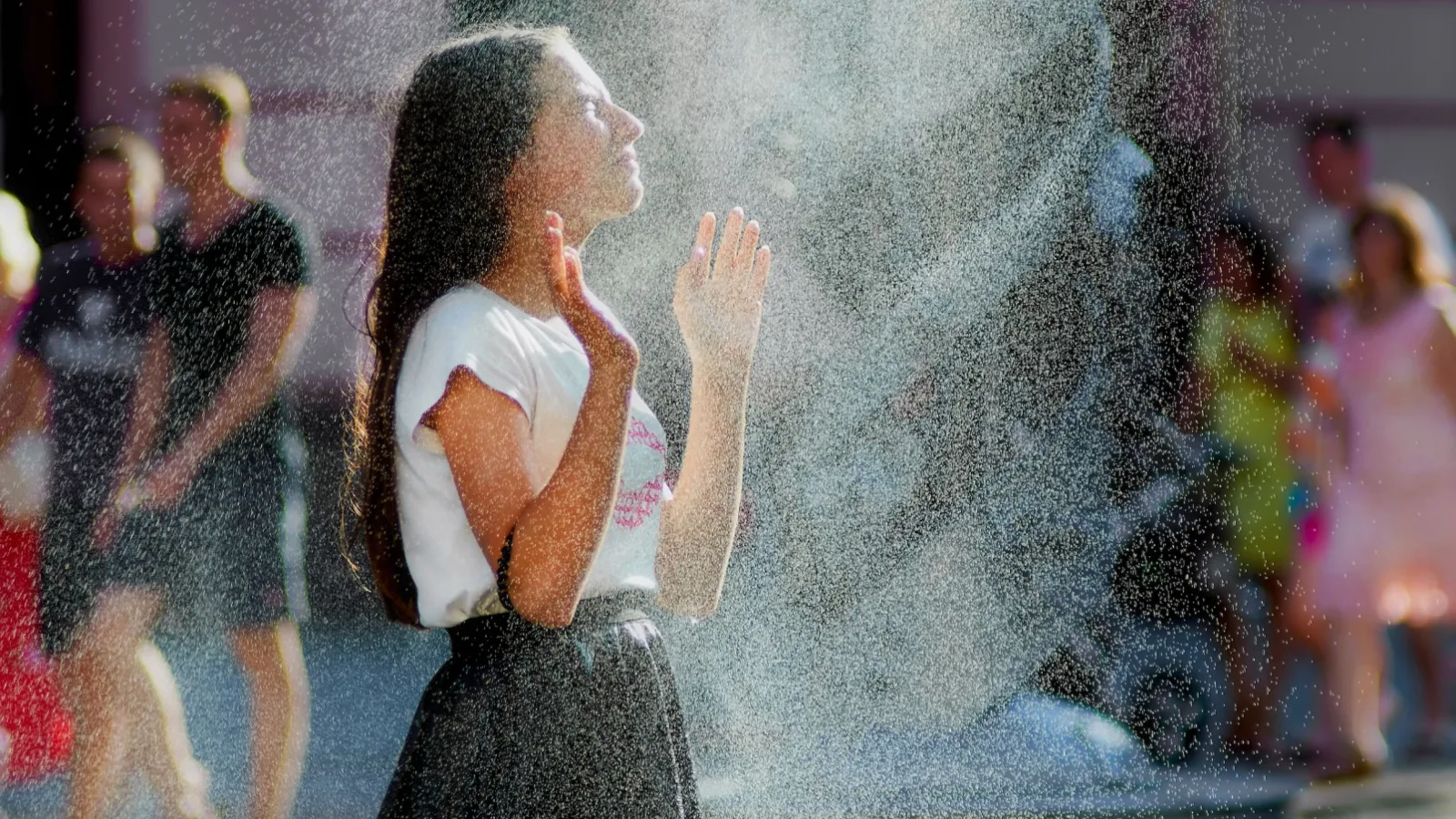

According to the Copernicus Climate Change Service, Europe experienced its third hottest summer since 1950 in 2026. With temperatures exceeding 40 °C in some parts of the continent, the tourism industry was not immune to the effects, as the hottest days fell during the peak summer season. What lessons will hoteliers take away from this summer of extremes when they know this will likely become the new norm?
A heat-stressed continent
This summer, the average temperature in Western Europe was 21.7 °C, which is 2.5 °C above the 1991–2020 average. Very severe heat stress affected at least 52 percent of Europe’s land area during the summer, with perceived temperatures of around 38 °C. This is a record high. The persistent drought caused discharge rates of major rivers to drop to their lowest summer levels since the EFAS data series began in 1992.
Such developments pose a significant challenge to the tourism industry. Travel destinations depend on a functioning water supply, an intact natural environment, reliable infrastructure, and a climate in which guests feel comfortable. Therefore, heat waves, changing precipitation patterns, droughts, and extreme weather present new challenges not only to hotel operations but to entire destinations.
Water is a particular focus here. According to the European Environment Agency (EEA), the tourism industry accounts for about five percent of water withdrawals for public supply in Europe. Among the industry’s largest consumers, the EEA lists hotels, swimming pools, restaurants, and green spaces. Moreover, tourists consume between 300 and 2,000 liters of water per person per day. By contrast, residents use only about 124 liters. Heat can further increase this demand, while dry spells can reduce the available water supply.
Measures and solutions for increasing the climate resilience of accommodations
For years, many hotels and vacation rentals in the internationally active Green Pearls® network have addressed the question of how buildings, operational processes, and the use of natural resources can adapt to local conditions and the effects of climate change. Their solutions range from structural changes and technological upgrades to targeted water management and adjustments to their offerings. The following examples illustrate how varied these approaches can be.
The building itself becomes a tool for adapting to climate change
Thick walls, natural stone, insulation, and shading show that solutions to rising temperatures do not always require new technology. Often, the key solutions are already part of a building’s architecture.
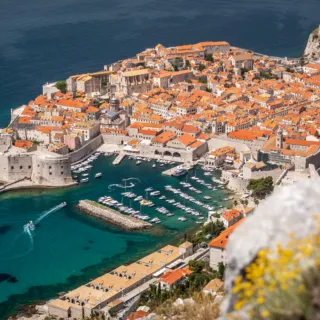
On the small Croatian island of Iž, changing climatic conditions are already having an impact on the Hotel Korinjak. Temperatures of around 35 °C persisted throughout much of the summer. The hotel’s seafront location is helpful in coping with this heat. The water is just a few steps away, providing welcome relief from the heat during the hottest parts of the day. Additionally, the property’s pine and olive trees offer ample natural shade.
Finally, the existing building’s thick stone walls contribute to thermal stability. During the summer, the ground floor in particular remains relatively cool and requires less cooling. Recently, the hotel expanded its energy supply to include photovoltaic systems. According to the hotel, the solar panels offset part of the increased energy demand in the summer caused, in part, by the growing use of air conditioning.
The APIPURA hotel rinner, located on the Ritten Plateau in South Tyrol at an elevation of about 1,200 meters, relies heavily on its insulation. It shields interior spaces from both summer heat and winter cold. According to the hotel, this eliminates the need for air conditioning. Additionally, there are no sealed surfaces, and plenty of greenery surrounds the building. The greenery, in particular, significantly helps cool the area.
The Summit Lodges prioritize wood as the primary building material for their properties. The chalets in Pfunds, located in the Tyrolean Oberland and built in 2018, were constructed using the log construction method with locally sourced wood. The natural building material’s poor conductivity of heat ensures that the buildings remain cool even in the summer heat.
In contrast, the focus at Schloss Lerchenhof in Carinthia lies in carefully enhancing the historic building. Instead of making fundamental changes to the existing structure, management is integrating various measures into the existing building. In the renovated rooms, for example, ceiling fans circulate air, eliminating the need for energy-intensive air conditioning systems. Additionally, recessed infrared heaters have been incorporated into the historic structure. These enable targeted heating and help maintain a balanced indoor climate in the winter. Simple measures in daily operations add to this: The team ventilates rooms at the appropriate times of day and shades them when there is strong sunlight. These measures support the building’s natural temperature regulation.
Technical solutions for existing buildings
When structural conditions are inadequate, technical retrofitting becomes an essential tool for climate adaptation. However, doing so is not simply a matter of installing additional cooling systems. It is becoming increasingly crucial to consider how individual systems can be integrated and operated together as efficiently as possible.
At the Green Spa Resort Stanglwirt, energy control monitoring is an essential part of technical management. This involves continuously monitoring equipment and control systems, analyzing consumption, and optimizing processes. Outdated hardware and software are gradually replaced to keep the technical systems up to date.
Additionally, the resort operates its own power plant that generates electricity, heat, and biochar from regional wood chips. Heat pumps use the resort’s spring water to heat much of the wellness facility. In terms of construction, the Stanglwirt prioritizes long-term resilience. Renovations and retrofits of existing buildings consistently incorporate more energy-efficient construction methods. Examples include optimized ventilation and cooling systems, heat recovery, modern control technology, and ongoing improvements to shading and central cooling. Given the prospect of future heat waves, it is crucial to further develop buildings so they can continue to provide a comfortable indoor climate.
The particularly hot summer weeks confirmed that Hotel My Arbor made the right decision to install air conditioning in about one-third of its rooms in the spring of 2026. On warm days, guests and staff alike greatly appreciated the cooling effect. At the same time, the hotel aimed to provide this additional comfort in the most responsible way possible: The heat generated by the air conditioners is used to heat the pools via a heat recovery system.
Installing the air conditioning units and the heat recovery system was a major construction project since neither was previously in place. During the planning phase, therefore, care was taken to integrate the technology as discreetly as possible. The air conditioning units are located in bathroom ceilings, and cooled air is channeled into bedrooms through a piece of furniture. Based on this summer’s experience, the hotel will also equip the remaining rooms with air conditioning in the spring of 2027.
The extent to which such solutions can be integrated into the planning phase is demonstrated by ADLER Sicilia, which opened in 2022. During construction, care was taken to prepare for a changing climate and use resources efficiently. The building was constructed according to the CasaClima standard, a South Tyrolean certification system that evaluates energy efficiency, construction quality, and other factors. Good insulation, shading, natural materials (including Terracruda, valued for its temperature-regulating properties), and green roofs help maintain a comfortable indoor climate and limit energy consumption as temperatures rise.
Water is becoming a key adaptation issue
While guests are aware of the heat, water shortages are not immediately apparent. Yet water management poses an even more fundamental challenge for many hotels. After all, rising temperatures can increase demand for water, and prolonged dry spells can put pressure on available resources.
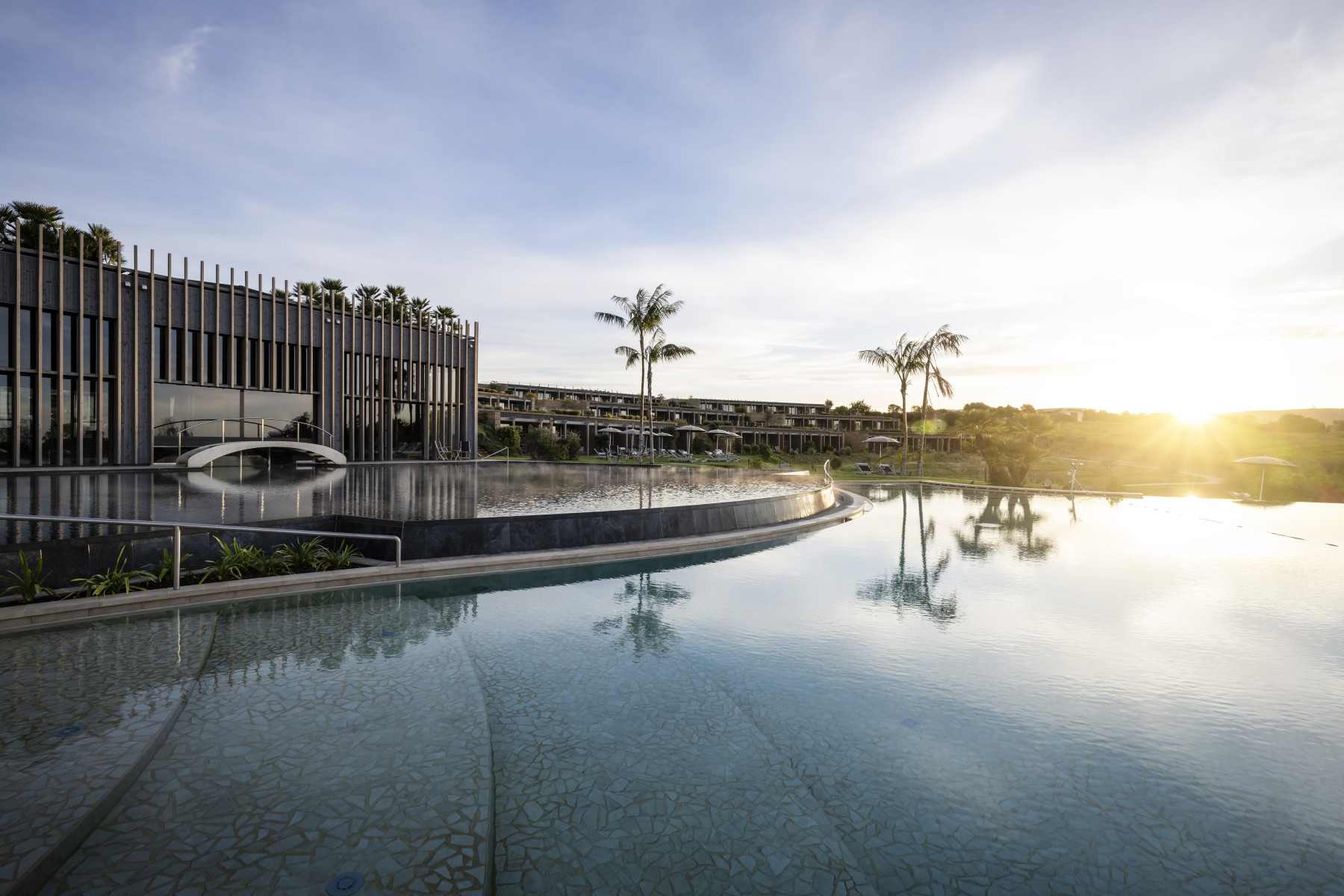 At the ADLER Spa Resorts & Lodges in Ritten and Sicily, water-saving systems and continuous monitoring help track water withdrawal, consumption, and demand. The gardens are designed to require minimal irrigation. In Sicily, these measures are supplemented by an on-site wastewater treatment system, an irrigation well, and drainage systems. Plant selection is also part of the concept. Site-appropriate, drought-resistant plants are better adapted to the local climate and require less additional irrigation.
 Water plays a central role in the Ritten region as a whole. The region is classified as a water-scarce area, which is why the Hotel Weihrerhof takes a conscientious approach to water use as a matter of course. Water-saving systems in showers, faucets, and toilets help reduce water consumption during daily operations. For cleaning purposes, the hotel uses a dry steam machine that requires significantly less water. Additionally, the hotel raises its guests’ awareness of the value of water and participates in the “Refill My Bottle” project, which encourages guests to reuse water bottles and avoid single-use plastics.
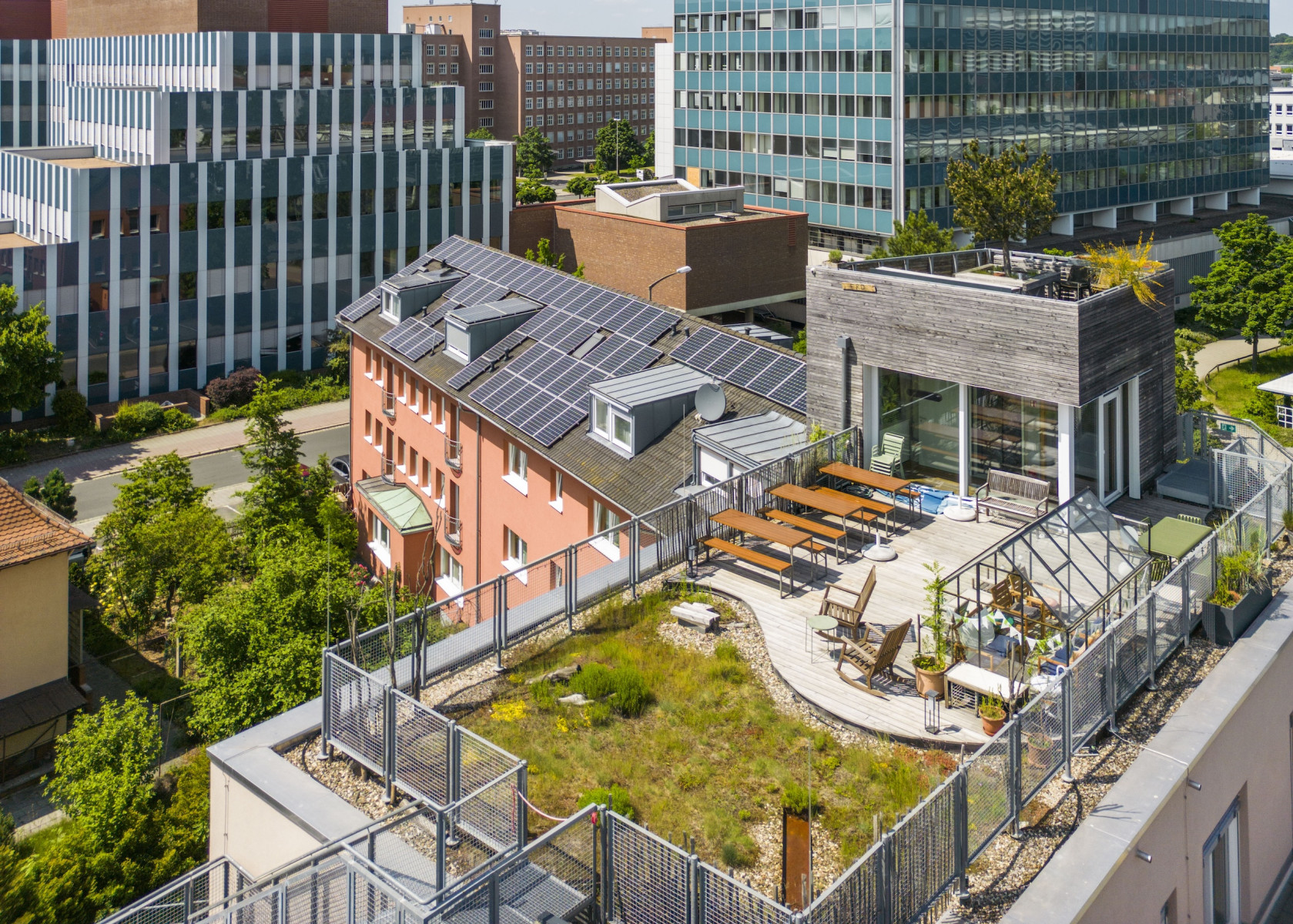 At the Hotel Luise in Erlangen, water management has been elevated even further. The hotel’s concept includes a microforest, a “sponge city” garden, and targeted rainwater drainage. Rather than draining precipitation away as quickly as possible, this concept is designed to capture, retain, and utilize it on the property. The microforest consists of densely planted shrubs and plants. Thanks to its vegetation, it can absorb and retain rainwater in the soil. The urban sponge garden complements this system with special soil layers, storage systems, and suitable plants that retain precipitation on-site and support the property’s natural water regulation.
Cooler spots and new travel times
The effects of hot summers extend beyond buildings and technical systems. Daily routines, guest preferences, and the popularity of certain travel seasons may also change.
Even for the Hotel Bella Vista in Zermatt, which is located at an altitude of 1,500 meters, the summer of 2026 was unusually hot. However, tropical nights are still very rare at this altitude, according to hostess and owner Fabienne Anthamatten. Here, the surrounding area itself became an important refuge from the high temperatures. Above the village, fresh mountain air provides cooler conditions, while numerous mountain lakes offer opportunities to cool off.
The Paradiso Pure.Living Vegan Hotel, located at an elevation of 2,020 meters on the Seiser Alm, also benefits from its location. According to the hotel, temperatures there are at least ten degrees lower than in the surrounding valleys. The Hotel Das Rübezahl, located in the Allgäu region, takes advantage of its mountain setting and cooler microclimate as well. There are various ways to cool off on-site, including a natural swimming pond and an ice cream truck during the summer months. Care was taken during the hotel’s construction to ensure good thermal insulation. In the evening, the mountain breeze picks up and cools the surroundings and rooms.
The experiences of these three resorts indicate that elevation can provide a significant advantage when temperatures in the valley increase. At 1,500 and 2,020 meters, summer conditions are noticeably cooler than in lower regions. Consequently, higher-altitude destinations may become more important in the future, not only for their scenery, but also as retreats from the summer heat.
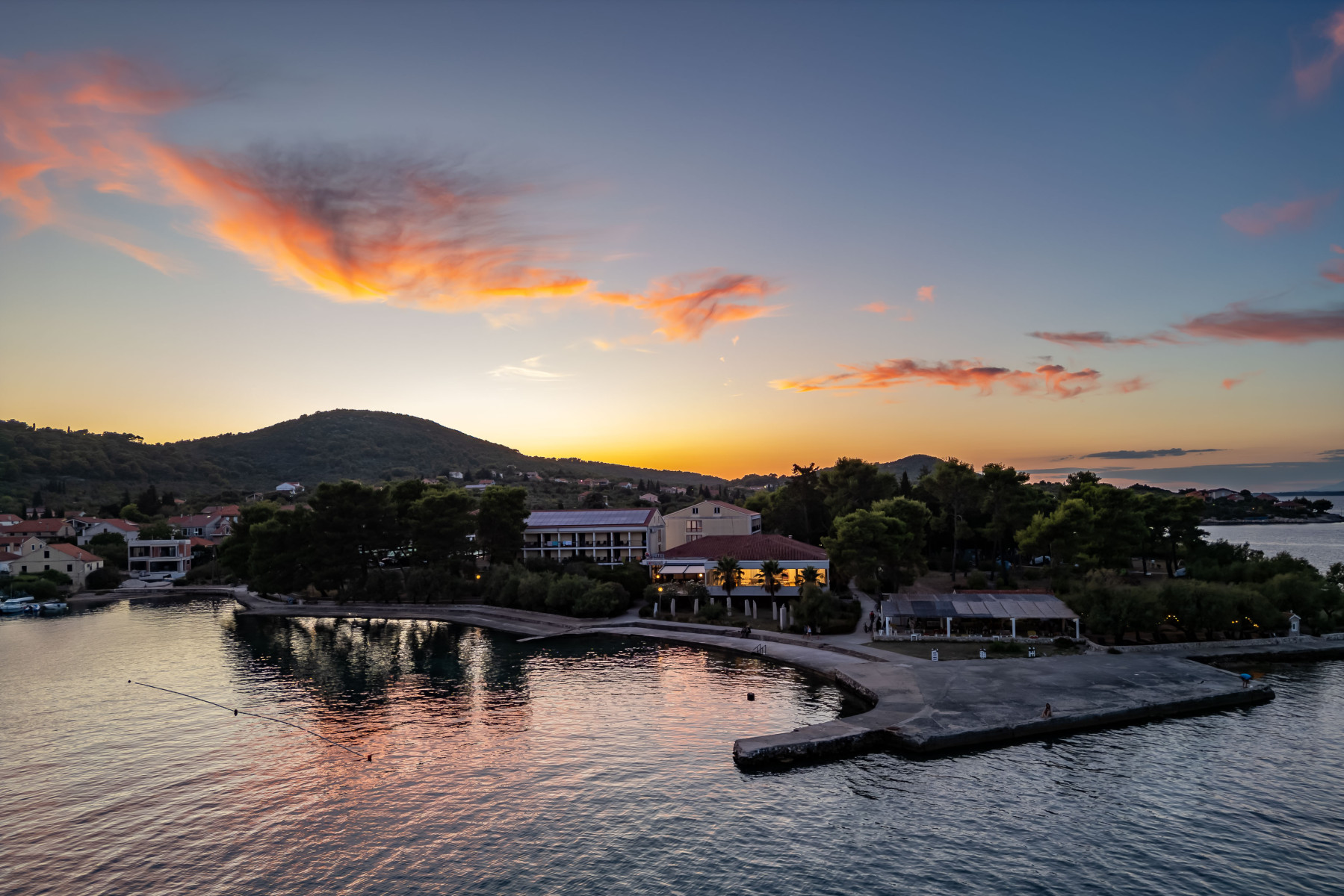 On the island of Iž, however, a different pattern emerged: At the Hotel Korinjak, the summer heat was not a significant issue for guests. Many adjusted their daily routines, spending the hottest hours by the sea or in the shade, and scheduling activities for the early morning or late afternoon. At the same time, the hotel observed a shift in travel dates. May, June, September, and early October have become increasingly popular months for activities such as yoga, hiking, and workshops.
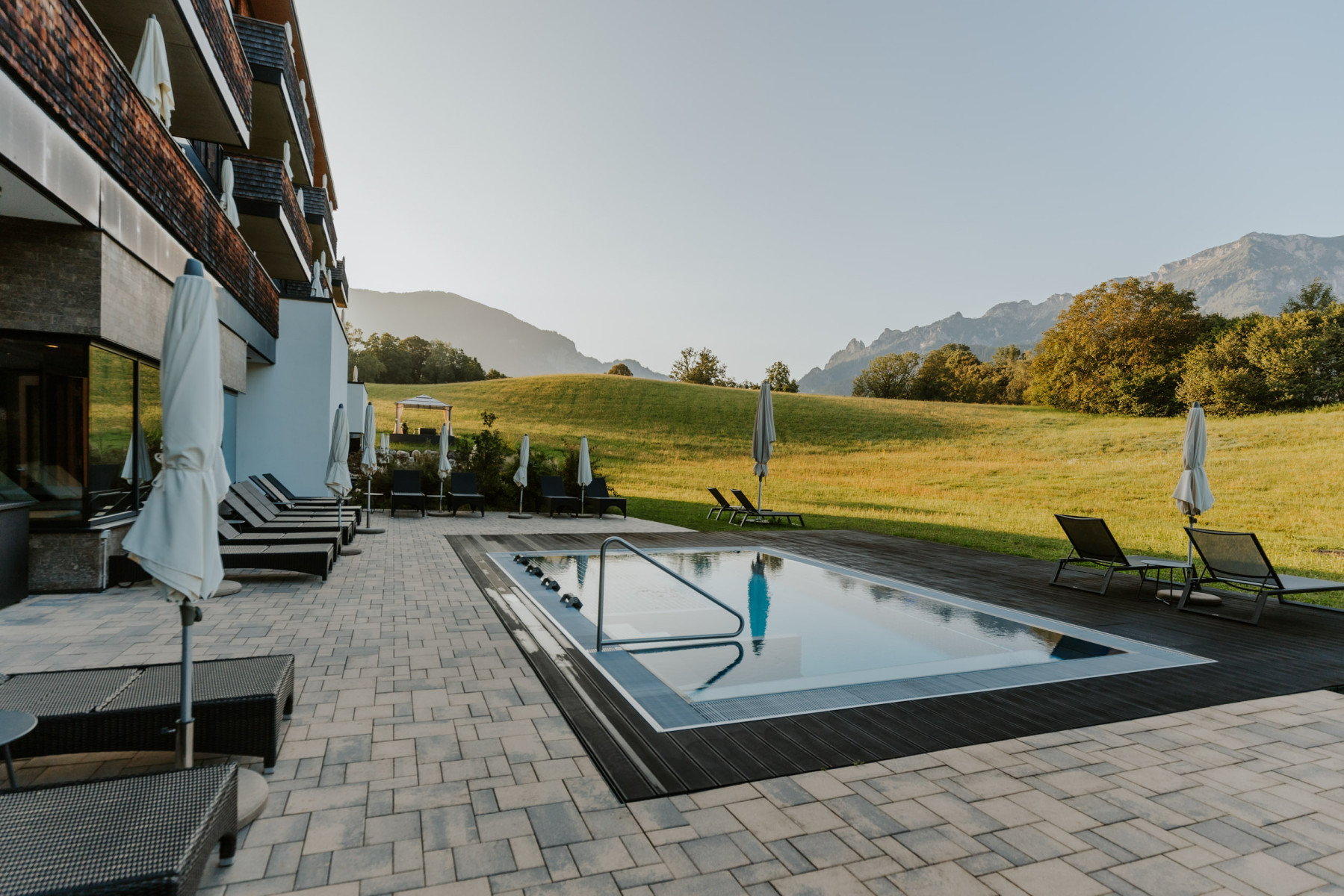 The Klosterhof – Alpine Hideaway & Spa in Berchtesgadener Land also recognizes changing needs. Guests have asked for more places to retreat to on warm days and have requested additional shaded areas by the pool. Due to its location in the Berchtesgadener Land, surrounded by forests, mountains, and lakes, the resort experiences a different climate than urban areas.
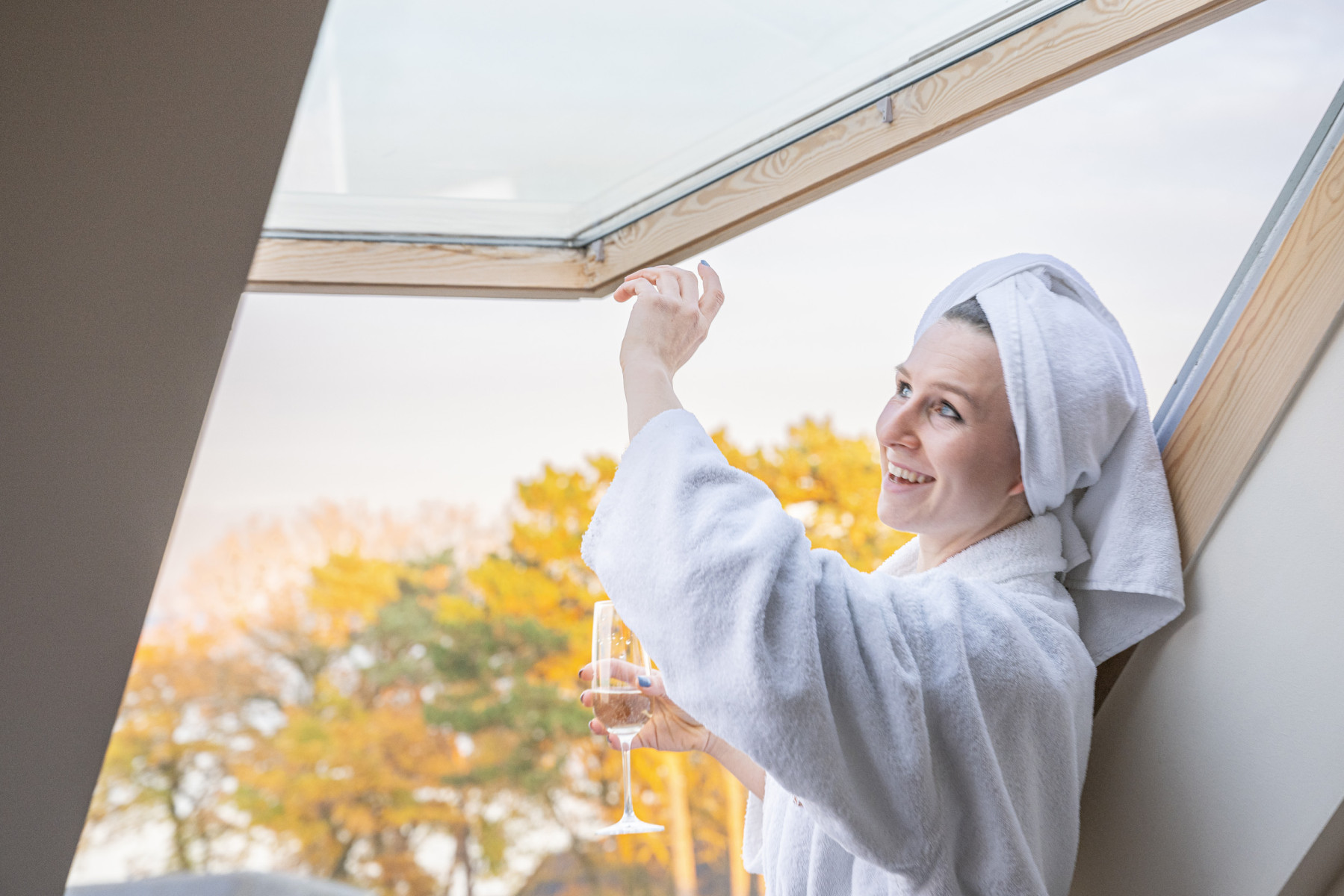 At SANDcollection on the Baltic Sea, Marion Müller and her team noticed that guests were increasingly booking at the last minute. However, it is unclear whether the unpredictable weather played a role. Additionally, the off-season is changing. Winter is traditionally a slower travel season in Timmendorfer Strand, especially at SANDnature. Milder winters could open up new opportunities for tourism. In the past, various winter concepts, such as beach dining, have been well received. Nevertheless, guests are missing traditional winter sights, such as ice floes on the Baltic Sea.
Building resilience starts before the next heat wave
Experience over the past few months has shown that there is no one-size-fits-all answer to the impact of climate change on tourism. While mountain destinations can benefit from their high elevation and cooler microclimate, hotels on arid islands or in regions with limited water resources must devise different strategies. Guests react in different ways. They may adjust their daily routines, seek out shade and cooler places, or shift their travel to off-peak times.
It is not yet possible to definitively assess the permanence of these changes in booking behavior, length of stay, and seasonal trends. However, based on these individual observations, it appears that the demands placed on destinations and hosts are changing.
For hotels, this means considering more than just individual technical measures. It’s crucial to understand the unique characteristics of their location and tailor their buildings, energy supply, water consumption, outdoor facilities, and operational processes accordingly. It is equally important to consider the surrounding environment. As part of their destination, hotels depend on functioning water resources, intact landscapes, nature, and infrastructure. True climate resilience can only be achieved through collaboration with the destination and local community.

All Inclusive
Luksusowy kwartalnik turystyczno-podróżniczy. Od 2004 roku opisujemy miejsca, do których warto lecieć dłużej niż na weekend, i ludzi, którzy je prowadzą.