In 2026, the town of Kėdainiai in Lithuania is hosting the Lithuanian Capital of Culture programme. One of the key highlights this spring is the reopening of the Evangelical Reformed Church and the Radziwiłł Mausoleum after reconstruction.
The site is closely connected to the Radziwiłł family and to 17th-century Kėdainiai – a period linked to the history of the Polish–Lithuanian Commonwealth.
From April 15th, the site will be open to visitors from Wednesday to Sunday.
The renaissance style Evangelical Reformed Church, which decorates the Kėdainiai Old Town was funded by Kristupas II Radvila in 1631, and its constructions were complete by his son Jonušas II Radvila in 1652. It has survived up to this day with only minor changes. The Church has retained an authentic oak pulpit of Renaissance forms, richly ornamented with carvings; with oak panels in the side naves, created in the Dutch mannerism style.
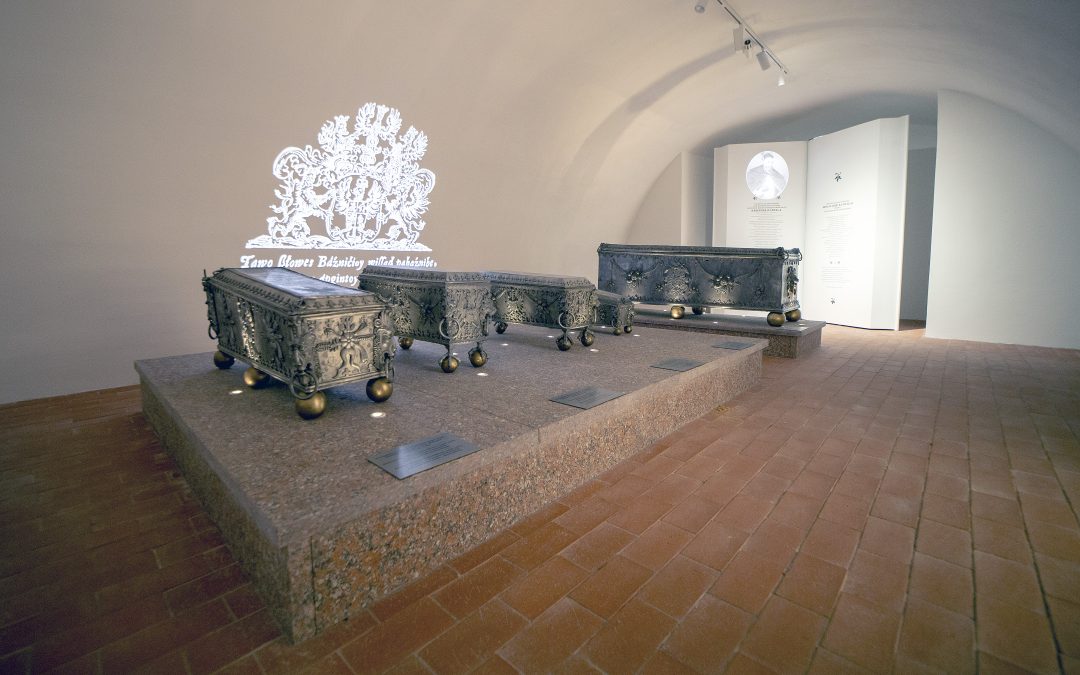
The church basement contains the Mausoleum of Dukes Radvilas which is the only 17th century nobility cemetery of the Grand Duchy of Lithuania restored in 2001 in Lithuania. The remains of Radvilas rest in the Renaissance and Baroque style sarcophagi of the 17th century.
The remains of Radvilas rest in the Renaissance and Baroque style sarcophagi of the 17th century.
The church where the mausoleum is located is one of the oldest and largest Protestant churches in the entire former Republic of Two Nations. Reformer services are held once a month in the church, however it is mostly visited by tourists.