

Regenerative tourism is becoming an increasingly popular alternative in the ecological travel market, serving as a conscious counter-movement to overtourism. The objective is twofold: to preserve destinations in their current state and to proactively enhance them. This includes regenerating the environment and landscapes, supporting local communities, and facilitating cultural experiences. Thus, regenerative tourism combines ecological commitment, social responsibility, and economic fairness.
Leaving the right marks
Studies by the German Economic Institute for Leisure and Tourism (dwif) show that travelers not only want to travel in an environmentally conscious manner, away from the crowds, but also want to have a positive impact on their destination. Thus, guests become active participants in regenerative change, whether it be planting a tree, caring for biotopes, or revitalizing historical structures.
For companies in the tourism industry, this means combining sustainable offerings with high-quality, authentic, meaningful experiences. Responsible business practices must be strategically implemented, operational processes must be reviewed, and environmentally friendly measures must be adopted. Authentic initiatives that involve both guests and employees and are communicated transparently are crucial.
Regenerative tourism can become a paradigm shift—an invitation to a conscious experience, to learn, and to leave a positive footprint.
The (re)vitalization of rural areas
The Albergo Diffuso Relais del Maro in Liguria demonstrates how regenerative tourism can strengthen the cultural identity of small villages. The Albergo Diffuso concept integrates hotels into existing town centers, preserving historic buildings. Guests experience local architecture, traditions, and regional cuisine while supporting the village’s revitalization. Central components of this approach include the restoration of vacant houses using local materials, close community cooperation, and the promotion of craft businesses. In this way, regenerative concepts strengthen not only nature but also social and cultural structures.
On the Croatian island of Iž, preserving the region’s original character is closely linked to limiting visitor numbers. The Hotel Korinjak, the only hotel on the island, operates exclusively from spring to early autumn. Its 76 rooms will not be expanded, deliberately excluding the accommodation of large groups. There are strict access regulations in the neighboring Kornati, Paklenica, and Telašćica national parks: visitors must follow marked trails, may only enter sensitive areas to a limited extent, and may only anchor boats in certain zones. Guests must pay an entrance fee or obtain permits, which control usage and protect the environment.
Regenerative tourism as an experience
Ecotourism involves protecting the environment; regenerative tourism takes it a step further by actively restoring it and preparing local ecosystems for long-term resilience.
Regeneration as part of the philosophy of Inkaterra hotels
For more than 50 years, the Inkaterra hotel group in Peru has been actively committed to protecting the country’s unique ecosystems. From the beginning, „giving back” has been central to Inkaterra’s philosophy, close to the heart of the owner family, led by eco-pioneer José Koechlin von Stein. Whether it is re-naturing former agricultural land in Machu Picchu Pueblo with native cloud forest, cooperating closely with local authorities to minimize waste (also in Machu Picchu Pueblo), establishing a private marine reserve in northern Peru, or actively protecting and researching the rainforest on the edge of Tambopata National Park on the Madre de Dios River. Guests can experience these projects and research firsthand on guided tours, nature excursions, and other activities, and their stay supports the hotel group’s commitment.
Nature conservation and restoration in the Alps
The OLM Nature Escape also considers itself part of the regenerative approach. The hotel focuses on measures that benefit nature, the region, and the community, such as a wild garden with biotope plants, a kitchen that supports regional cycles, sustainable mobility, and promoting local social projects, like the Sägemüllerhof in Gais. Guests are encouraged to actively participate in this approach by spending their vacation in a resource-friendly way. For example, they can choose to forgo daily room cleaning, opt for gentle, nature-oriented activities such as hiking, forest bathing, or ice bathing, and use regional products. The result is a vacation experience that gives back more than it takes, making guests part of the cycle.
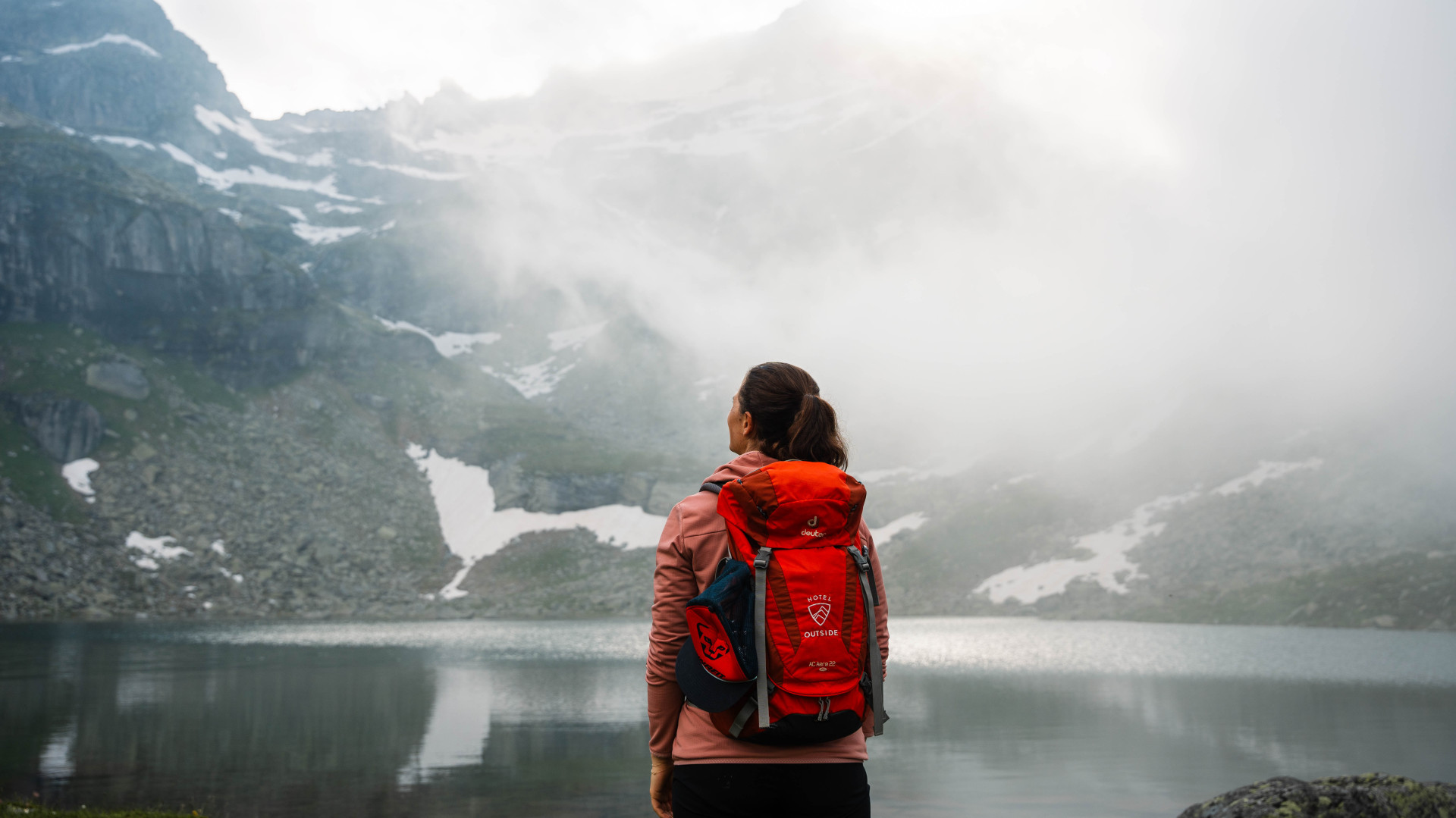
At Naturhotel Outside in Austria’s Hohe Tauern National Park, travelers can experience regenerative tourism principles in one of Central Europe’s largest protected areas. Here, the landscape is perceived not just as a backdrop, but as a living system that must be cared for and protected. Guests can observe the local flora and fauna, go on hikes and ranger tours, and contribute to preserving and restoring the sensitive alpine ecosystem by participating in hotel and national park projects.
Holistic regenerative concepts in South Tyrol and Sicily
The ADLER Spa Resorts & Lodges, with locations throughout Italy, involve guests directly in regenerative processes. For example, guests at the ADLER Lodge RITTEN can participate in communal gardening. The large, ecologically and species-rich farm garden is managed together with neighboring young farmers without monoculture or pesticides. The surrounding meadows require minimal irrigation and are grazed by alpacas. This preserves the soil structure and promotes biodiversity. The resort’s gentle architecture blends harmoniously into the landscape, and barefoot paths through the forest encourage guests to immerse themselves in nature and experience it with all their senses — thus motivating them to work to preserve it.
Natural design and guest involvement
The ADLER Spa Resort SICILIA regularly organizes beach cleanups along the coast between Torre Salsa and Dama Bianca, with the participation of guests, employees, locals, and NGOs. Additionally, the resort’s organic and sensory gardens offer guests a chance to experience southern Sicily’s unique nature.
Sustainability tours are held twice a week throughout the resort. During which guests can learn how water treatment, heat pumps, and drip irrigation systems work. They can also explore the Mediterranean evergreen scrub vegetation of the Torre Salsa Reserve. Participating in these ecological projects allows vacationers to experience the positive environmental impact firsthand.

Protecting nature is often at the heart of a renewable approach. At the Hotel Weihrerhof in South Tyrol, for example, much effort is devoted to restoring the shoreline and maintaining the adjacent biotope of Lake Wolfsgruben. The lake, known for its high water quality, is a popular swimming destination and is often referred to as one of the cleanest freshwater lakes in Italy. Visitors experience the area through gentle tourism activities such as walking, sunbathing, swimming, and touring the lake. Information and reminders along the way encourage guests to be mindful of their surroundings and emphasize the importance of respectful behavior for the regeneration of the ecosystem.
Active promotion of biodiversity in southern Germany
 At the Naturresort Gerbehof on Lake Constance, every square meter is dedicated to biodiversity. Flower strips are created for bees on the certified organic farmland, healthy tree populations are maintained in the forest, beetle-infested wood is removed, and young trees are continuously replanted. In the spring, the hotel garden is left unmowed so guests can experience the variety of flowers and insects. Robotic lawnmowers are not used here. Additionally, the resort is connected to the educational project Überlinger Weltacker. On one hectare of land, it illustrates how much land is available to each person for food, the plants grown worldwide, and how sustainable agriculture works.
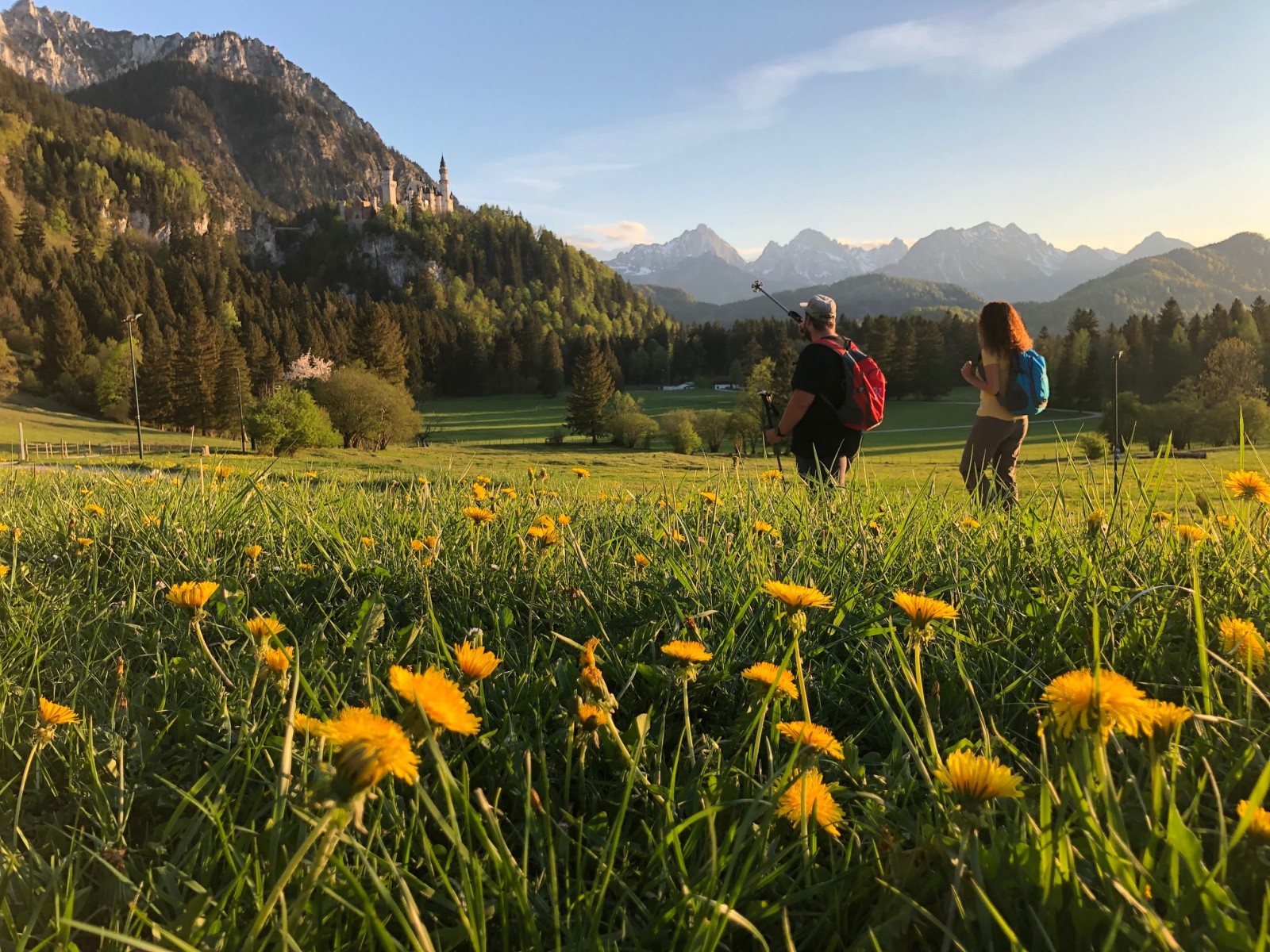 Biodiversity also plays a central role at Hotel Das Rübezahl in the Allgäu region. To encourage guests to forgo room service, the hotel plants a tree in the region for each guest who does so. Six bee colonies, home to around 300,000 bees, live on the property and pollinate rare wild herbs, orchids, and other protected plants. Guided tours with the beekeeper regularly take place, bringing their work and its importance for the ecosystem to life. Additionally, the natural wellness garden provides habitats for dragonflies, birds, and cold-blooded animals. The hotel is a founding member of the Rothwiesenprojekt (Rothwiesen Project) together with the Bund Naturschutz (Nature Conservation Union). The project renaturalizes farmland and pastures below Neuschwanstein Castle, creating new biodiversity hotspots.
Economics in the cycle of nature
The circular economy is one component of the regenerative approach. In this model, materials are kept in the recycling cycle, energy is used efficiently, biodiversity is promoted, and emissions are reduced or overcompensated. Hotels that adhere to this principle provide guests with an opportunity to experience sustainable practices firsthand.
The Hotel Luise in Erlangen takes a holistic approach to the circular economy: unsealed surfaces, a specially created microforest, and a variety of species protection measures ensure that natural spaces are not only preserved but also actively created in the heart of the city. The hotel also pursues a consistent policy of resource conservation, including recycling concepts and CO₂ offsetting through tree planting.
The SCHWARZWALD PANORAMA Hotel also sets standards in circular living. Its Cradle-to-Cradle®-inspired rooms are made of healthy, recyclable materials that can be fully returned to biological or technical cycles. The wellness hotel has also been awarded the Bioland Gold Certificate: nearly all of the kitchen’s ingredients come from certified organic cultivation, often directly from the region. A snack garden with beehives, birdhouses, and hedgehog houses demonstrates biodiversity on site. Additionally, the hotel has an excellent GreenSign certification (93%) and implements consistent climate-friendly management practices
Give back more than we take
Green Pearls® hotels are impressive examples that demonstrate how travel can be more than just consuming landscapes and leisure activities. Regenerative tourism allows guests to become active participants instead of mere spectators.
From the revitalization of historic villages in Liguria to sustainable projects in Croatia and Peru to the careful management of mountain and coastal landscapes in Germany, Austria, and Italy, one thing is clear: the new approach emphasizes ecological responsibility while considering social and cultural issues. As a result, every trip becomes an opportunity for travelers to contribute actively and consciously to preserving their vacation region.
Our Sources:
- Deutsches Wirtschaftsinstitut für Freizeit und Tourismus: https://www.dwif.de/news/item/dwif-impuls-regenerativer-tourismus-rueckblick.html