
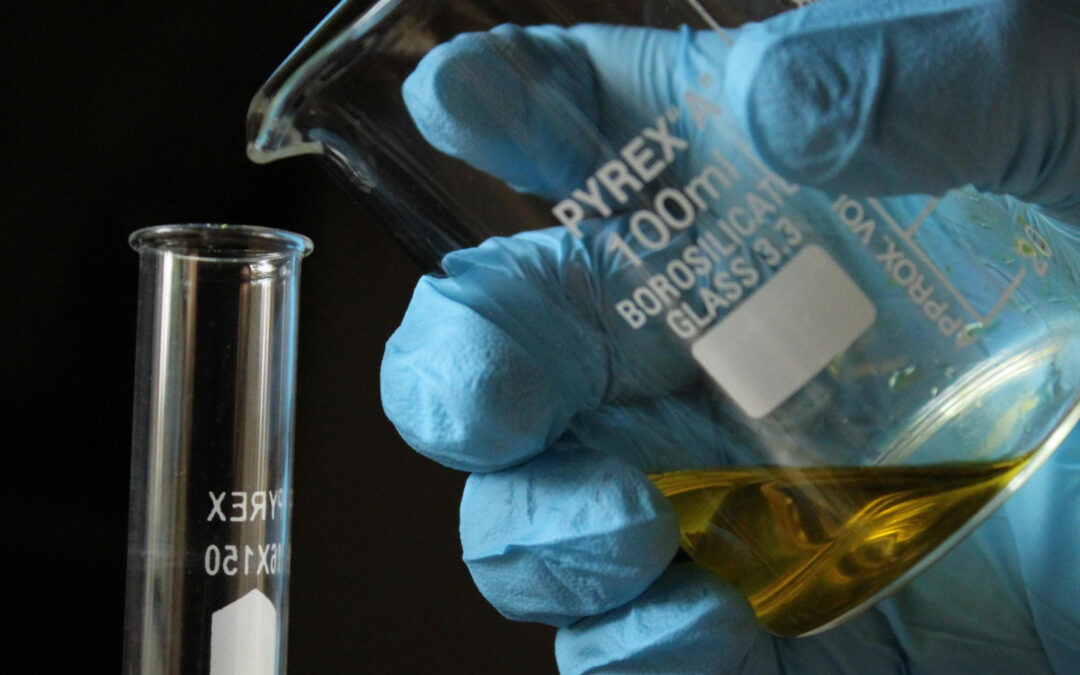
At first glance, used cooking oil seems like a classic waste product: dark, thick, and seemingly worthless. Even kitchens that consistently minimize their waste can not completely eliminate this „waste.” It is an unavoidable byproduct of frying or sautéing. Depending on the size of the kitchen and its workload, this results in quantities ranging from a few liters to several hundred liters per month, which must be collected and stored for disposal or recycling. How this oil is handled determines whether it remains an environmental burden or becomes part of a functioning circular economy.
The key factor: Proper disposal of used cooking oil from hotel kitchens
According to the Bundesverband Altöl (BVA, Federal Association for Waste Oil), based on figures from the Bundesamt für Wirtschaft und Ausfuhrkontrolle (Bafa, Federal Office for Economic Affairs and Export Control) and the Umweltbundesamt (UBA, Federal Environment Agency), approximately 80% of waste oil in Germany is sent for high-quality recycling. At the same time, however, approximately 100,000 tons of waste oil are not recycled in a traceable, high-quality manner each year (Source: BVA, 2024).
Proper disposal is essential for potential recycling. Under no circumstances should waste oil be disposed of down the drain, as it clogs pipes, overburdens wastewater treatment plants, and can contaminate soil and groundwater. The EU Waste Framework Directive therefore mandates separate collection and proper treatment. In practice, this means that hotel and restaurant kitchens collect used cooking oil in suitable, usually sealable containers, which specialized waste management companies regularly pick up. This step is crucial because only cleanly separated used cooking oil can be processed to a high standard.
From waste to raw material
This is where the real opportunity lies, as clean used cooking oil has long been a highly sought-after raw material. Its high-energy composition makes it valuable for various industrial applications. One classic method of recycling it is to produce biodiesel. In this process, the oils are chemically processed and converted into a fuel that can replace fossil fuels. The Green Spa Resort Stanglwirt is a concrete example of this in practice. There, all 9,720 kg of waste oil generated is processed into biodiesel, resulting in nearly 27,000 kg of CO₂ savings last year.
The use of waste oil in the aviation sector is experiencing even more dynamic growth. So-called sustainable aviation fuel (SAF) is now largely based on used cooking oils and animal fats. According to the International Energy Agency, approximately 340 million gallons of SAF were used in 2023, which resulted in the potential reduction of up to 80% of CO₂ emissions compared to fossil kerosene. And although this share is still small compared to total kerosene consumption, SAF is considered one of the most important tools for reducing aviation emissions.
Reduction starts in the kitchen
How sustainable management of used oil looks in practice is demonstrated by the curated hotel partners from the Green Pearls® network throughout the entire value chain. Starting with targeted procurement and mindful use, and continuing through disposal and recycling.
Schloss Lerchenhof shows how an adapted kitchen philosophy can reduce the amount of cooking oil used to about 100 liters per year:
The kitchen primarily uses animal fats, such as lard and beef tallow, sourced from its own farm, as well as sunflower oil and high-quality salad oils. Deep-frying is not part of the kitchen’s approach. Used cooking oil is properly disposed of by a certified recycling company.
Smaller businesses, such as the Hotel Bella Vista Zermatt, for example, have opted for a scaled-back food service offering that generates very little used cooking oil. This, too, is an effective way to conserve resources.
At the OCÉANO Health Spa Hotel, deep-frying is also kept to a minimum, as the focus is on health-conscious cuisine. At the same time, the hotel accommodates guests’ requests for fried foods, albeit in a particularly resource-efficient way: The oils used are not overheated but applied sparingly and precisely, for example by lightly spraying them onto the ingredients and then gently cooking them in the oven. This significantly extends the oils’ lifespan and reduces overall consumption. Once the oil is no longer suitable for use in the kitchen, it is handed over to a local company that processes it further and converts it into other products.
The Italian Relais del Maro takes it a step further by completely avoiding fried foods. The Naturresort Gerbehof also operates without a deep fryer, instead offering alternatives like oven-baked dishes. These examples demonstrate that a large amount of used cooking oil does not have to be an inherent part of the restaurant industry. Conscious decisions and alternative preparation methods reduce waste without leaving guests feeling deprived.
After reduction comes collection and recycling
Additionally, organizing the collection process is crucial for ensuring a smooth cycle. At the Hotel Korinjak, used oil is stored safely in designated containers and picked up by authorized disposal companies, ensuring proper processing. The APIPURA hotel rinner relies on shared collection systems with partners such as Ecosole, pooling resources through this collaboration.
Other Green Pearls® partners also rely on proper used oil collection and work with certified recycling partners. At My Arbor, specialized companies regularly pick up the used oil to process it into new end products. The Lower Saxony Hotel Okelmann’s collaborates with regional partners to ensure short transport routes and transparent processes, while the Hotel Weihrerhof organizes disposal through municipal structures. At Hotel Das Rübezahl, used oil is not considered waste but rather a recyclable material; it is carefully collected and disposed of properly through certified partners. In addition, fats and oils are purchased in high quality and used sparingly and purposefully to conserve resources and minimize the generation of used oil.
Opportunities and limitations
The purity of collected used cooking oil is crucial to its subsequent processing quality. Contaminants, such as water, food scraps, and spices, complicate the treatment process and reduce the yield. Therefore, the circular economy begins not only in industry but also with trained kitchen staff, proper separation, and appropriate storage.
Even under the best conditions, however, used cooking oil recycling remains challenging. The available quantities are limited while the demand, particularly from the energy and aviation sectors, continues to rise. Furthermore, processing methods are energy-intensive and not entirely emission-free. Nevertheless, used oil offers significant potential for reducing reliance on fossil resources and lowering greenhouse gas emissions.
Ultimately, it becomes clear that used oil is not waste in the traditional sense but rather a valuable raw material. The Green Pearls® Community sets an example by demonstrating responsible management through reduction, efficient use, and consistent recycling.